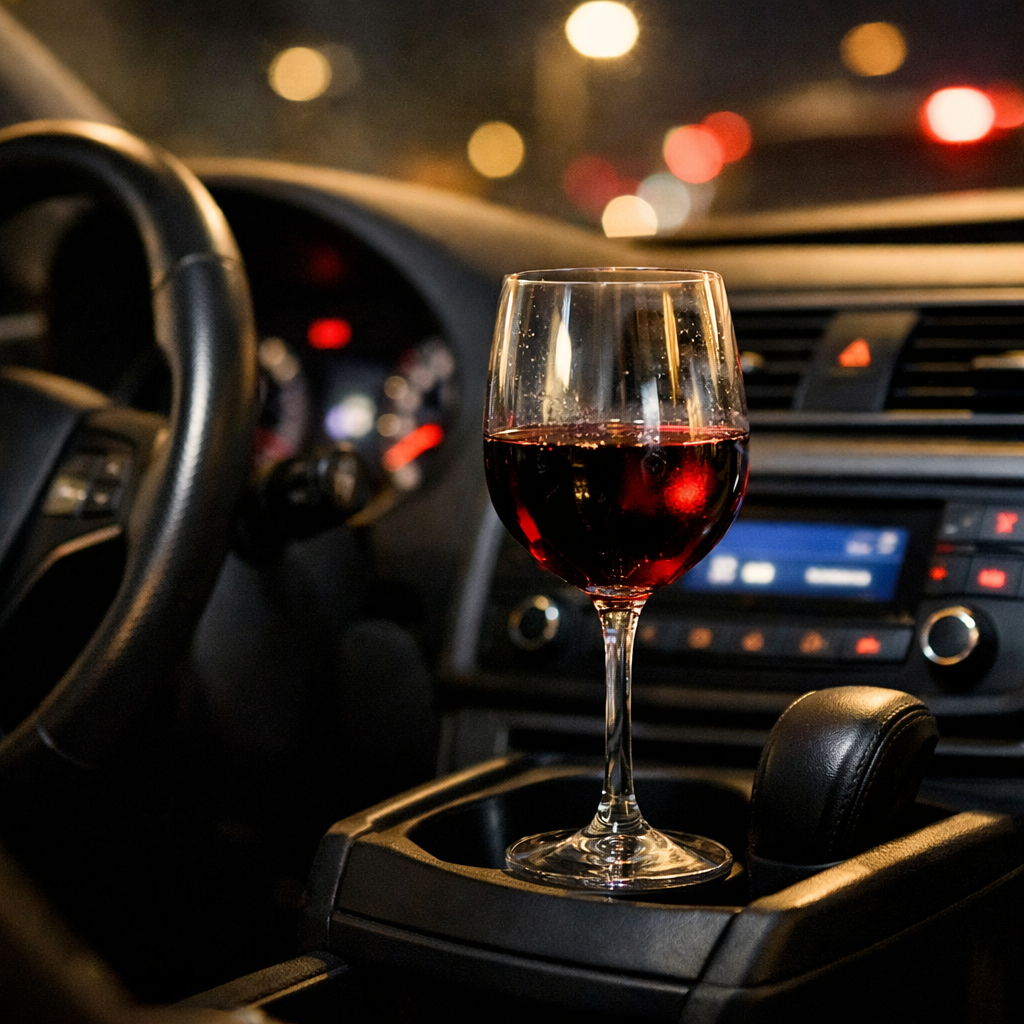
It was a Saturday night, and one person was sitting at a dinner table with friends. The evening was going well. There was good food, conversation, and a few drinks shared among everyone.
A couple of hours later, he looked at the clock and started thinking about heading home. “I feel fine now.” This is where understanding BAC becomes important.
Your BAC (Blood Alcohol Concentration) measures the amount of alcohol in your bloodstream. It is one of the main factors used to determine whether someone is legally impaired.
Many people search for quick answers -“How long after drinking can I drive?” “Can coffee lower my BAC?” “Does sleeping remove alcohol faster?” But the science is more complicated. The truth is that your body needs time.
Understanding What Happens After Your Last Drink
Imagine a person finishes the final drink at 10 PM. At that moment, many people assume the countdown to sobriety begins immediately. But alcohol does not disappear instantly.
Your body goes through different stages:
- Alcohol continues moving through your bloodstream
- Your BAC may continue changing after your last drink
- Your liver slowly breaks alcohol down
- Your reaction time and judgment may still be affected
A person may feel more alert after stopping drinking, but their BAC may still be elevated. This is why experts focus on time rather than quick fixes.
Why “I Feel Fine” Can Be Misleading
One of the biggest mistakes people make is using their feelings as a measurement. For example a girl attends a party and has several drinks. After a few hours, she feels:
- Less tired
- More energetic
- More confident
She assumes the alcohol has left her system. But inside her body, the liver is still processing alcohol. The brain can also become less aware of impairment, which makes people underestimate their condition. This is why someone can feel okay but still have a higher BAC than they expect.
How Long Does Alcohol Stay in Your System?
There is no single answer that works for everyone. Alcohol processing depends on several factors:
- Number of drinks consumed
- Alcohol percentage
- Body size
- Biological differences
- Food or Water intake
- How quickly drinks were consumed
A person who has one drink is not in the same situation as someone who has several drinks over a short period. This is why using a simple “one hour per drink” rule can be inaccurate.
The Science Behind BAC Reduction
Your liver does most of the work. Once alcohol enters your bloodstream, your body processes it at a relatively steady pace.
Things like:
- Drinking coffee
- Taking a cold shower
- Exercising
- Drinking water
- Eating food after drinking
may change how you feel, but they do not magically remove alcohol from your bloodstream.
For example, a person drinks coffee before driving. The coffee may make another person feel more awake. But the BAC level has not suddenly dropped because of caffeine.
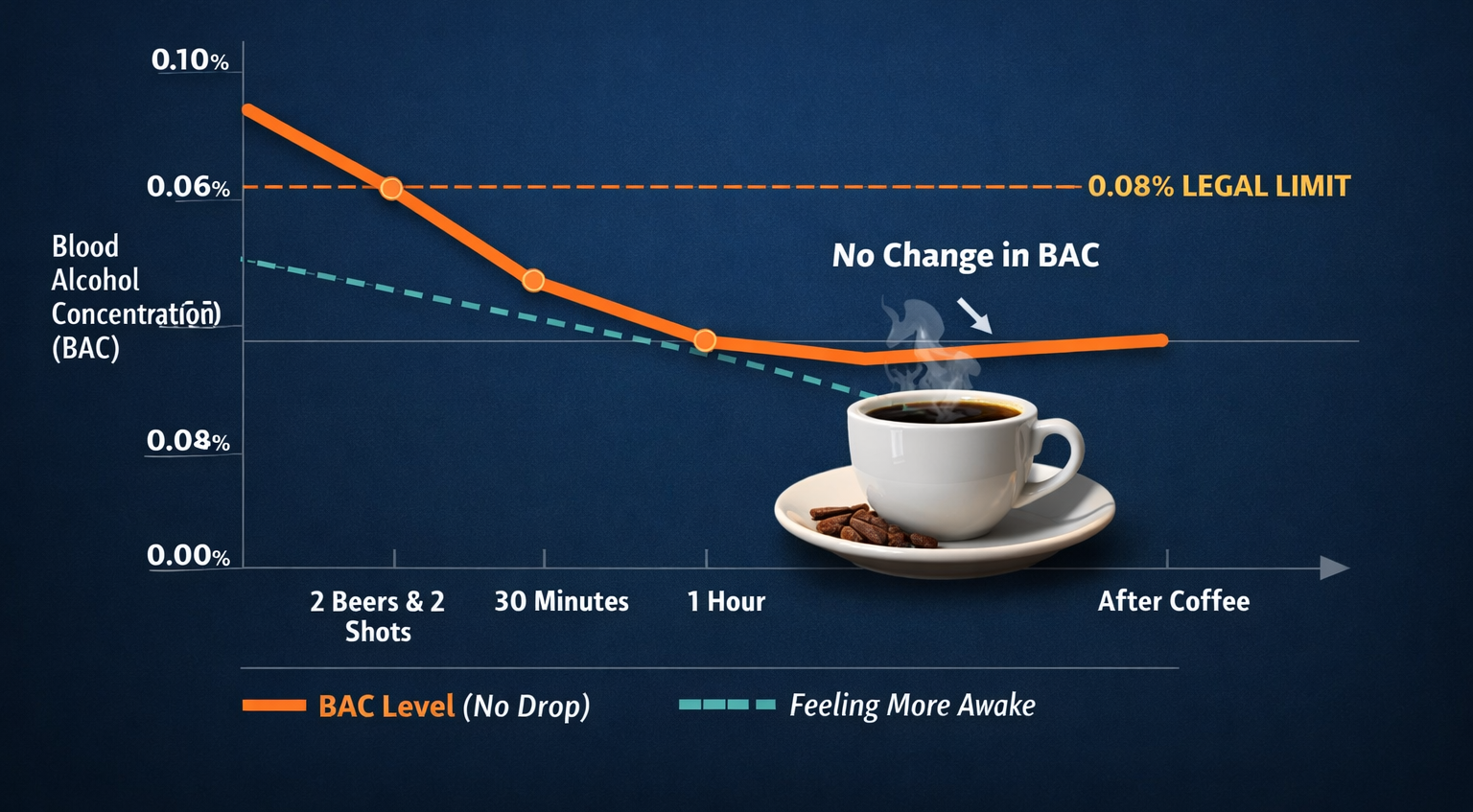
This creates a dangerous situation where confidence increases while alcohol remains in the body. Here is an example chart showing how alcohol levels can change over time.
| Time | What May Happen | |
| During drinking | BAC begins increasing | |
| Shortly after last drink | BAC may still rise | |
| Following hours | Liver continues processing alcohol | |
| Later period | BAC gradually decreases |
Actual BAC varies from person to person. This is why waiting is the only reliable way for alcohol levels to reduce naturally.
Can a BAC Calculator Tell You When You Are Safe to Drive?
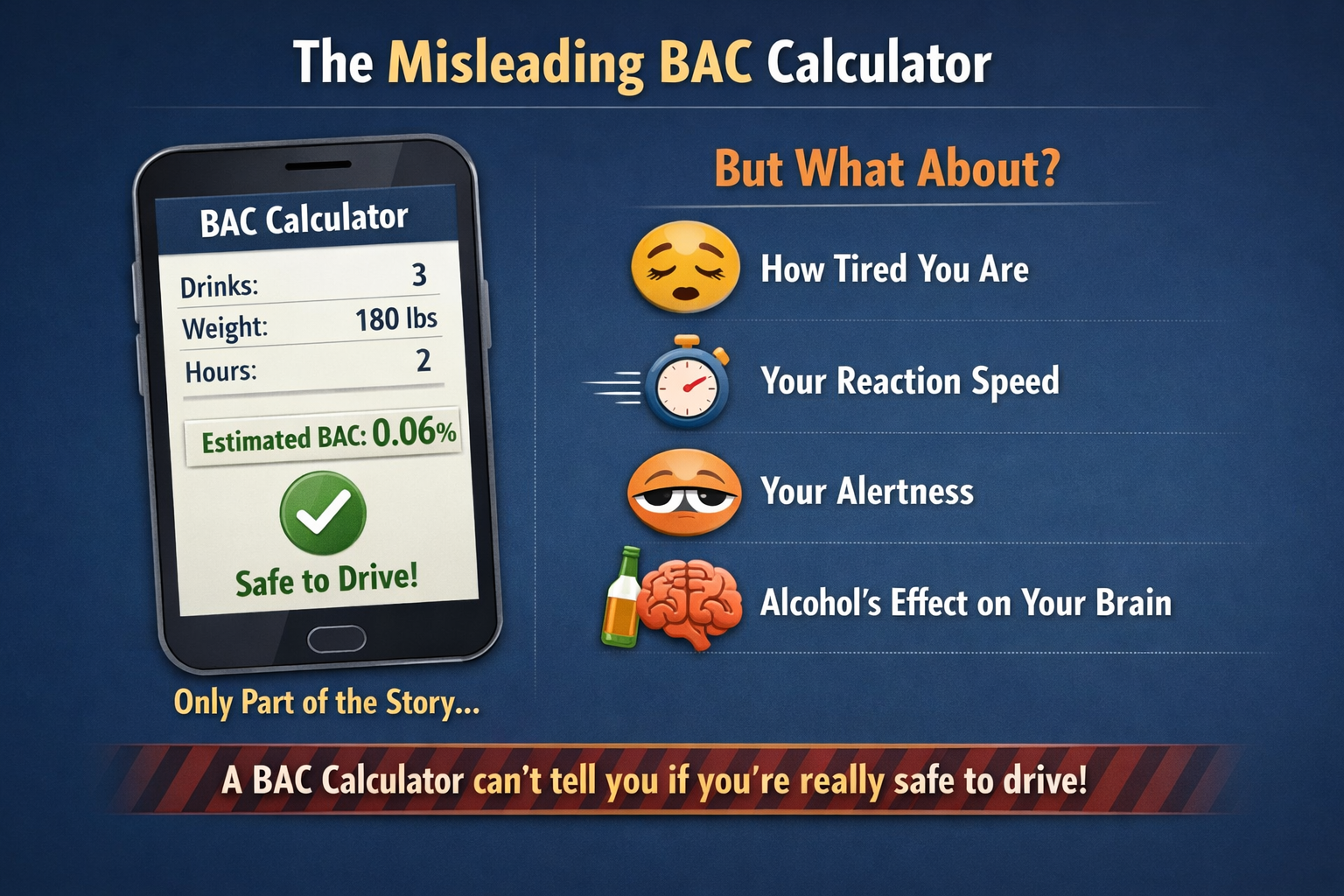
Many people use a BAC calculator online to estimate their alcohol level. A BAC calculator can be useful for understanding how alcohol affects the body.
However, it should not be treated as a guarantee that someone is safe to drive. Why? Because a BAC calculator usually estimates based on information like:
- Drinks consumed
- Time period
- Weight
- Gender
But it cannot perfectly measure:
- Your exact alcohol absorption
- Your metabolism
- Your current impairment
A BAC calculator is an educational tool, not a replacement for a real measurement.
What About the Legal Limit?
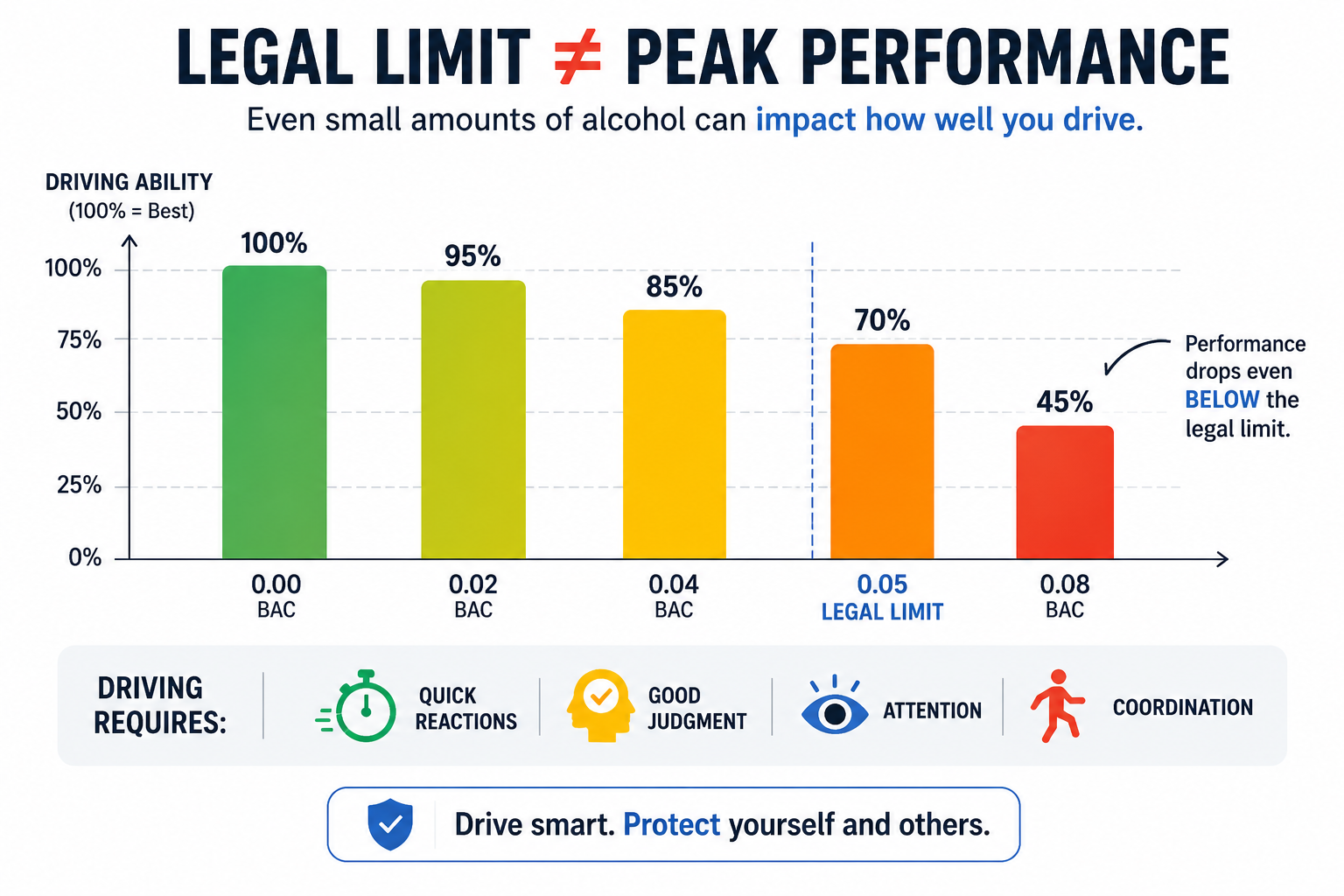
Many places set a legal limit for driving. For example, in many regions, the legal limit is based on a specific BAC number. However, being below the legal limit does not always mean someone is performing at their best.
Driving requires:
- Quick reactions
- Good judgment
- Attention
- Coordination
Alcohol can affect these abilities before someone reaches the legal limit. This is why the safest approach is not to calculate the maximum amount you can drink and still drive.
Now imagine another situation. A person goes to a celebration and drinks late into the night. Before sleeping, he thinks – “I’ll wake up tomorrow and everything will be gone.” The next morning, the person feels better – no dizziness, no obvious signs of drinking.
But depending on how much alcohol he consumed and when he stopped, alcohol may still be present. This is why morning-after driving can also be risky. Feeling refreshed is not the same as having zero alcohol in your system.
The Best Time to Drive After Drinking
So what does science actually say? There is no magic waiting time that works for everyone. The safest answer is only drive when alcohol has fully cleared from your body and you are confident you are not impaired.
If there is any doubt use another transportation option, ask someone sober to drive, wait longer. A few extra hours are far better than taking a risk.
Wrapping Up
Alcohol affects everyone differently. A person may feel normal while their BAC is still changing. A BAC calculator can provide an estimate, and a chart can help explain the process, but neither can guarantee that someone is safe to drive.
The legal limit exists for a reason, but the safest decision is always to avoid driving when alcohol may still affect your body. Time is the only real solution. Because when it comes to alcohol and driving, feeling okay is not always the same as being okay.
