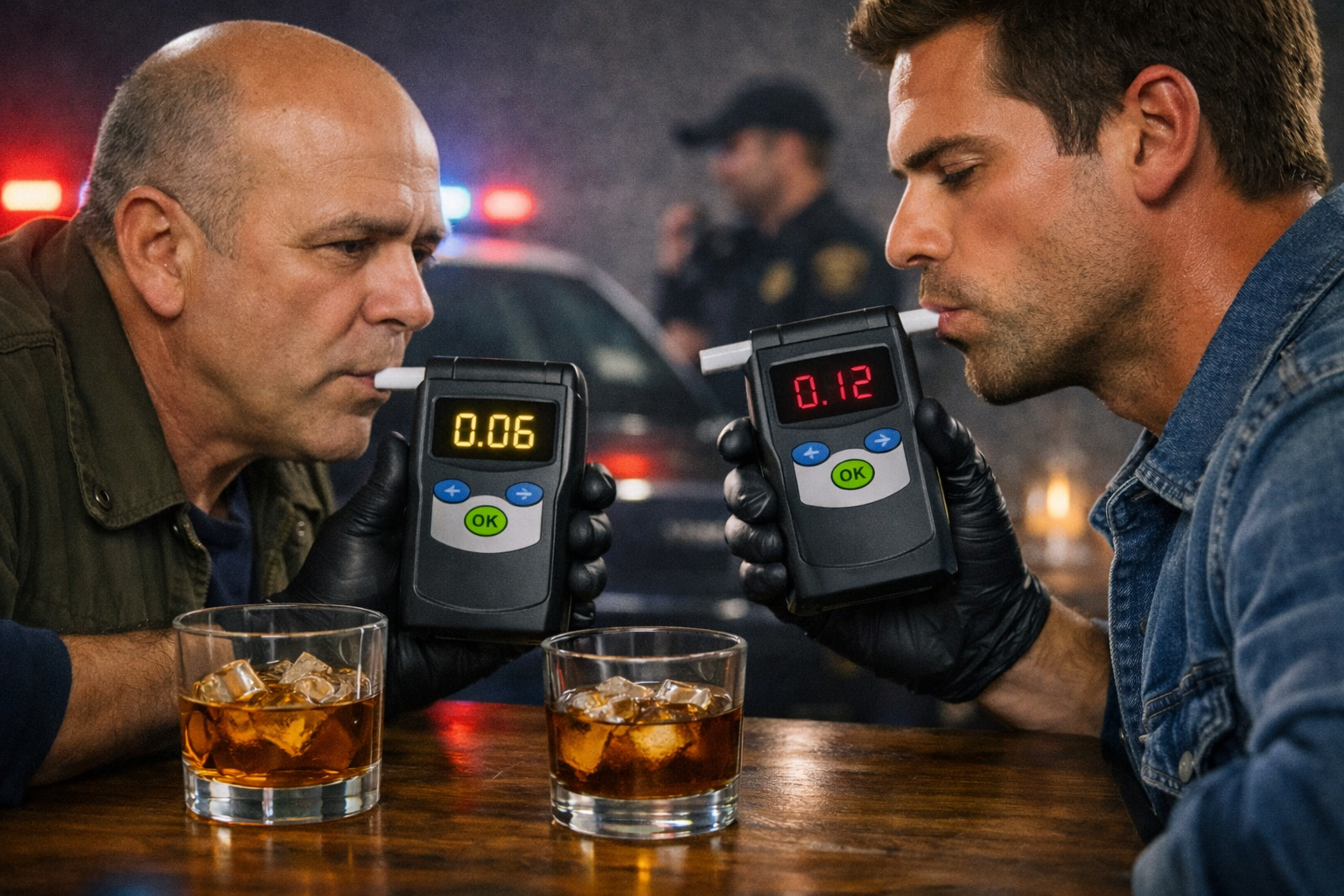
Every weekend, the same story plays out somewhere. A driver leaves a restaurant after “just two drinks.” On the way home, flashing blue lights appear in the rearview mirror.
The officer asks a few questions, requests a breath test, and suddenly the driver starts remembering advice they’ve heard for years.”Chew some gum,””Drink lots of water,””Coffee sobers you up,””Take a few deep breaths before blowing.”
Unfortunately, many of these tips are nothing more than myths. Understanding how BAC (Blood Alcohol Concentration) works, how DUI tests are performed, and what the actual legal limit means can help you make safer decisions.
In this guide, we’ll separate fact from fiction while also showing how a BAC calculator, BAC charts, and scientific evidence can help you better understand alcohol impairment.
Why DUI Myths Continue to Spread
Many DUI myths come from stories passed between friends or social media videos claiming to reveal “secret tricks” to beat a breathalyzer.
The problem? Modern breathalyzers and DUI investigations are based on decades of scientific research. Police officers also look beyond a single number. They consider driving behavior, physical signs of impairment, field sobriety tests, and chemical testing.
Knowing the truth about BAC is far more useful than believing internet rumors.
Coffee Will Lower Your BAC
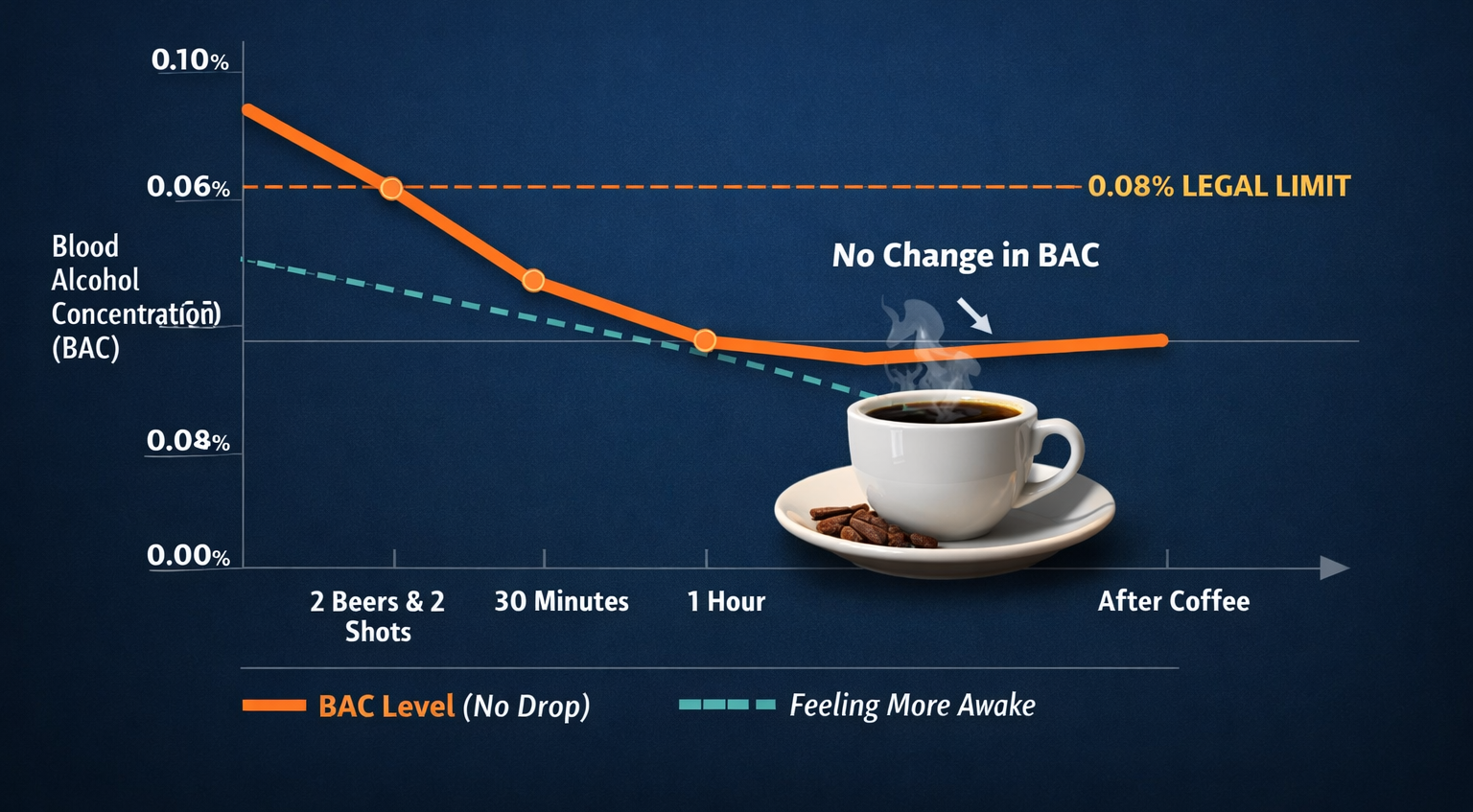
This is probably the most common misconception. Imagine you’ve spent an evening at a party. Before driving home, someone hands you a strong cup of coffee and says,”You’ll be fine now.” Coffee may help you feel more awake. It does not reduce your BAC.
Alcohol is processed almost entirely by your liver at a relatively constant rate. Caffeine has no effect on how quickly alcohol leaves your bloodstream. You may feel more alert after coffee, but your BAC remains essentially unchanged.
Taking a Cold Shower Will Sober You Up
Cold showers can certainly wake you up. They cannot lower your BAC.
Your body still needs time to metabolize alcohol. Whether you’re sitting on the couch or standing under freezing water, your liver processes alcohol at approximately the same speed.
Feeling refreshed doesn’t mean you’re legally safe to drive.
Eating Food After Drinking Instantly Reduces BAC
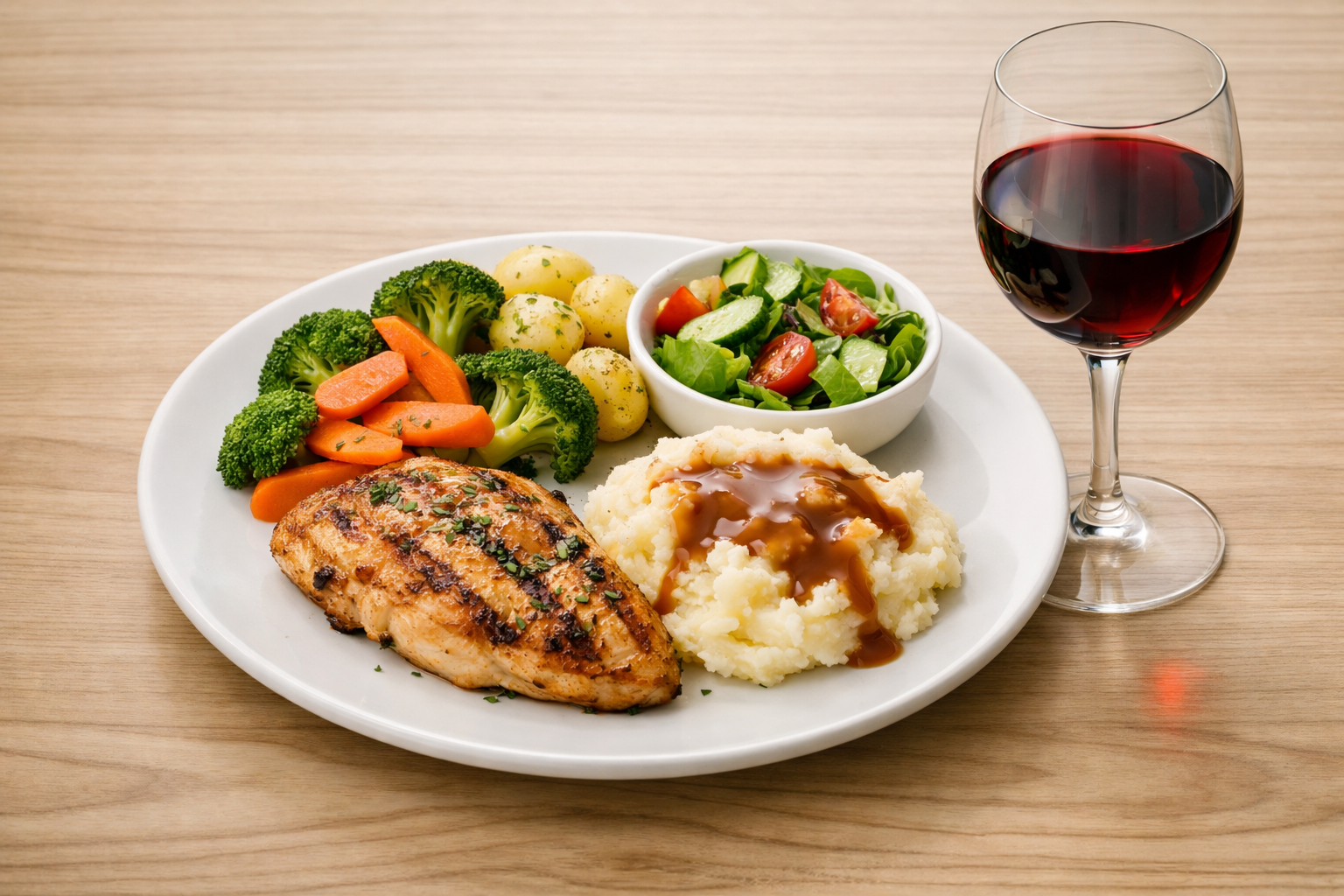
This myth contains a small amount of truth—but it’s often misunderstood. Eating before or while drinking can slow alcohol absorption.
However, once alcohol has entered your bloodstream, eating a large meal afterward won’t magically lower your BAC.
Instead, food may simply help prevent your BAC from rising as quickly if consumed earlier.
Breathalyzers Are Always Wrong
Some drivers assume breathalyzers are wildly inaccurate. In reality, modern evidential breath-testing devices undergo regular calibration and maintenance.
While no testing device is perfect, law enforcement typically follows strict procedures to improve accuracy, including:
- Observation periods before testing
- Device calibration
- Multiple breath samples
- Confirmation testing when required
If a reading appears questionable, additional testing methods may be available depending on local laws.
Mouthwash Can Fool—or Trigger—a Breathalyzer
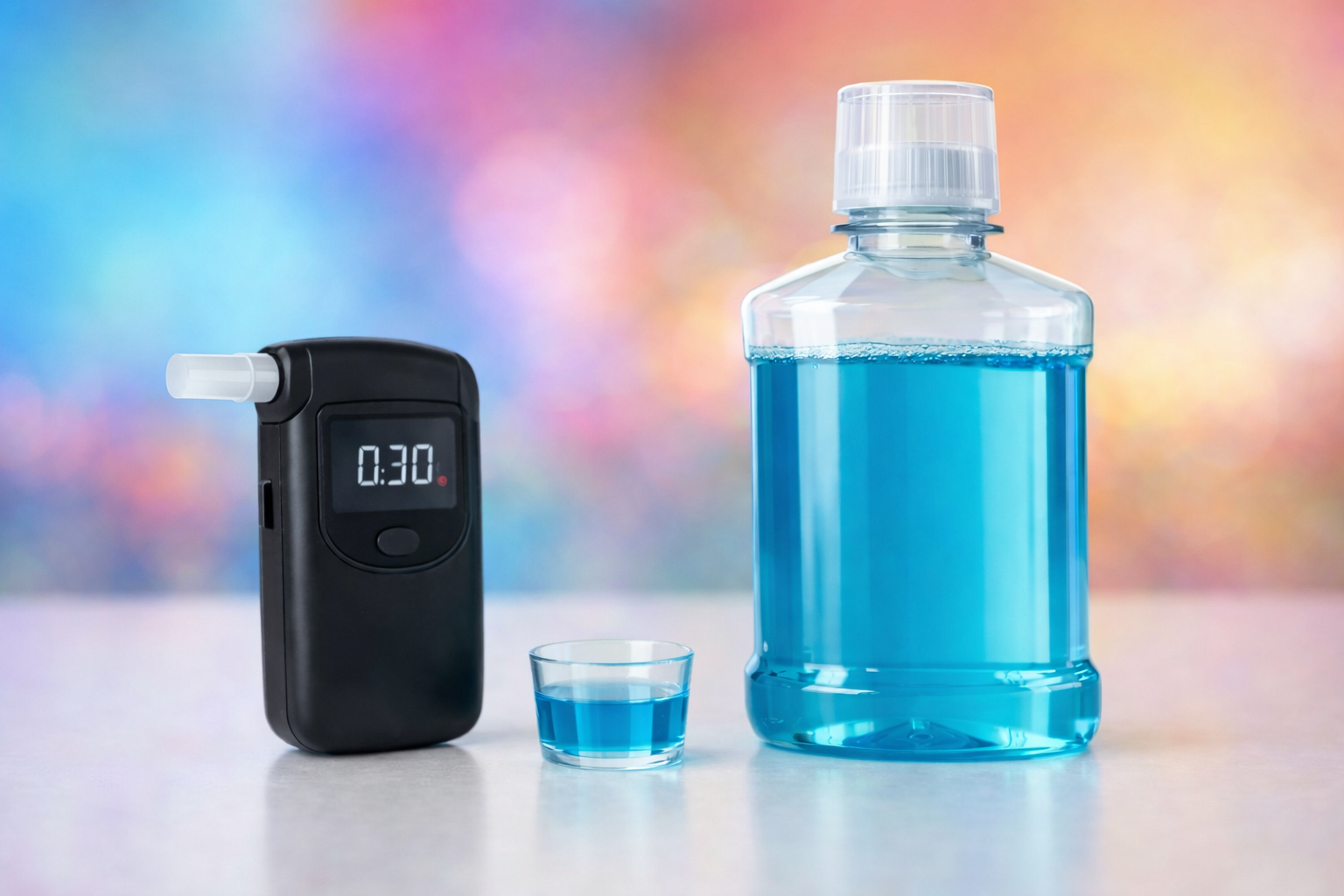
This myth has two parts. Some believe mouthwash helps hide alcohol. Others worry it automatically causes DUI charges.
Alcohol-based mouthwash can temporarily increase alcohol detected in your mouth. However, officers usually wait before administering the official breath test or repeat the test after a short observation period.
The temporary mouth alcohol quickly disappears. Mouthwash doesn’t permanently increase your BAC, nor is it an effective way to fool a breathalyzer.
You Can Calculate Your BAC Exactly
Many people use an online BAC calculator before deciding whether they’re safe to drive.
A BAC calculator can be helpful for estimating alcohol levels. However, it should never be considered an exact measurement. Most BAC calculators estimate BAC using factors like:
- Body weight
- Biological variability
- Number of drinks
- Time spent drinking
- But they cannot account for:
- Food consumption
- Medications
- Individual metabolism
- Health conditions
- Drink strength
- Serving size variations
Think of a BAC calculator as an educational tool—not permission to drive.
If You’re Below the Legal Limit, You’re Safe to Drive
This is one of the most dangerous misconceptions. The legal limit for BAC varies by country and state.
Many places use 0.08% BAC as the legal limit for most adult drivers, while commercial drivers and younger drivers often face much lower thresholds. However, impairment begins well before reaching the legal limit.
Reaction time, judgment, coordination, and vision may all decline at lower BAC levels. Even if you’re technically below the legal limit, you may still be unsafe to drive.
Understanding BAC Charts
Many drivers use BAC charts to estimate impairment.
Here’s a simplified overview.
| Estimated BAC | Possible Effects |
| 0.02% | Mild relaxation |
| 0.05% | Reduced coordination and judgment |
| 0.08% | Significant impairment; common legal limit in many regions |
| 0.10% | Slower reaction time and poor vehicle control |
| 0.15% | Severe impairment and greatly increased crash risk |
Remember that BAC charts provide estimates only.
Two people consuming the same amount of alcohol may have completely different BAC levels due to body composition, metabolism, age, and other factors.
Why Time Is the Only Reliable Solution
Despite countless myths, only one thing consistently lowers BAC. Time.
On average, the liver processes roughly one standard drink per hour, though this varies by individual.
Nothing speeds up alcohol metabolism—not coffee, exercise, cold showers, energy drinks, or fresh air.
Waiting is the only scientifically supported method for reducing BAC.
How a BAC Calculator Can Help You Plan Ahead
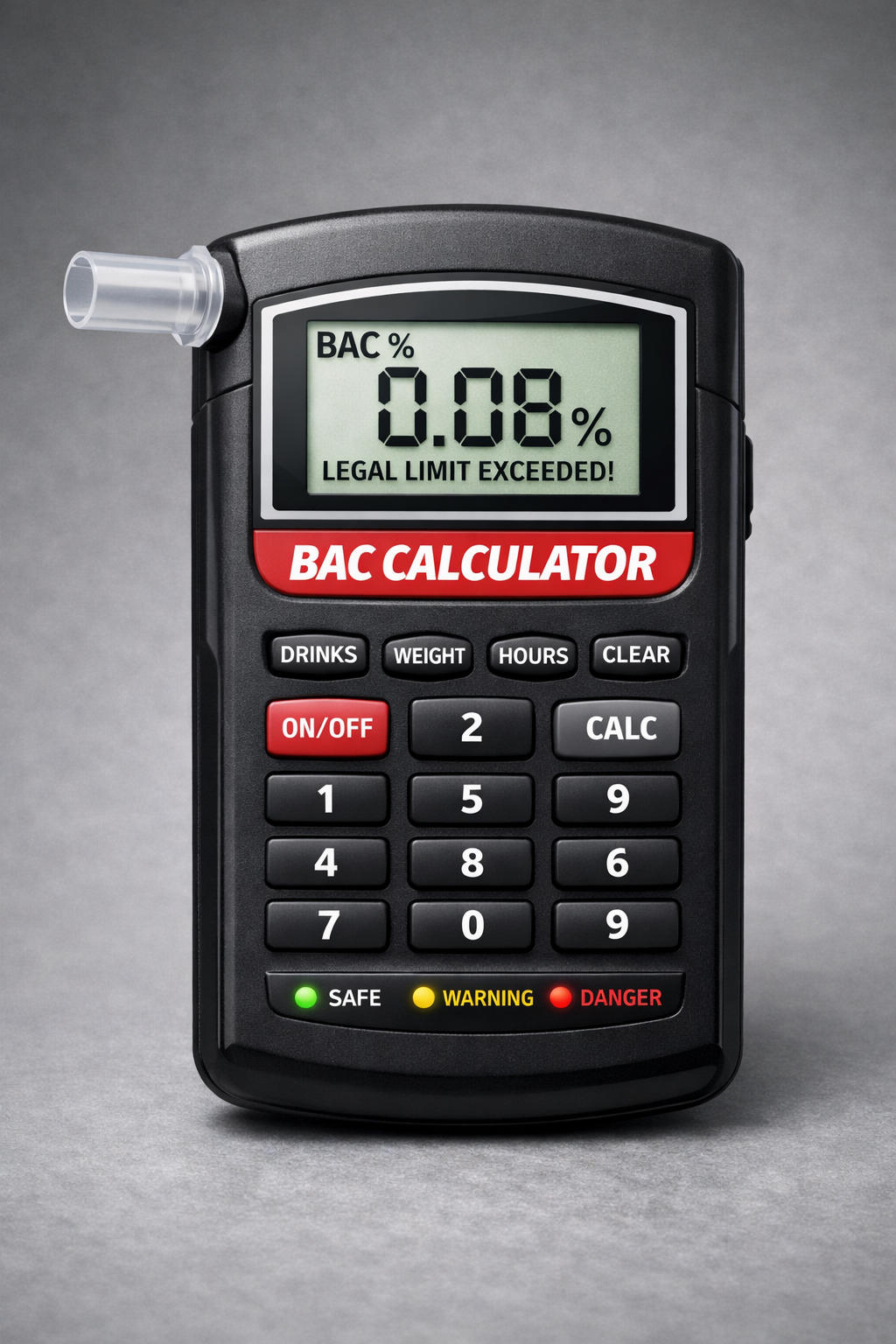
Although a BAC calculator shouldn’t determine whether you drive, it can be useful for planning.
For example, you can estimate:
- When your BAC might return to zero
- How different drink quantities affect impairment
- How drinking over several hours changes estimated BAC
- Whether you should arrange alternate transportation
Combining a BAC calculator with BAC charts provides a better understanding of how alcohol affects the body.
The Importance of Knowing the Legal Limit
Knowing the legal limit isn’t just about avoiding fines. It’s about recognizing that alcohol affects everyone differently.
Some drivers may feel impaired below the legal limit, while others may mistakenly feel perfectly capable above it. That’s why many safety experts recommend a simple rule – If you’ve been drinking, don’t drive. Using rideshare services, public transportation, or choosing a designated driver is always safer than trying to estimate your BAC.
Wrapping Up
DUI myths have survived for decades because they’re easy to repeat—but science tells a different story.
Coffee doesn’t lower BAC. Cold showers don’t sober you up. Breathalyzers aren’t easily fooled, and being below the legal limit doesn’t automatically make driving safe.
Instead of relying on rumors, use trusted resources like BAC charts and a reputable BAC calculator to better understand alcohol’s effects. Most importantly, remember that no estimate can replace good judgment.
When in doubt, leave the car parked. Understanding your BAC, respecting the legal limit, and making informed decisions can protect not only your license but also your life and the lives of everyone else on the road
