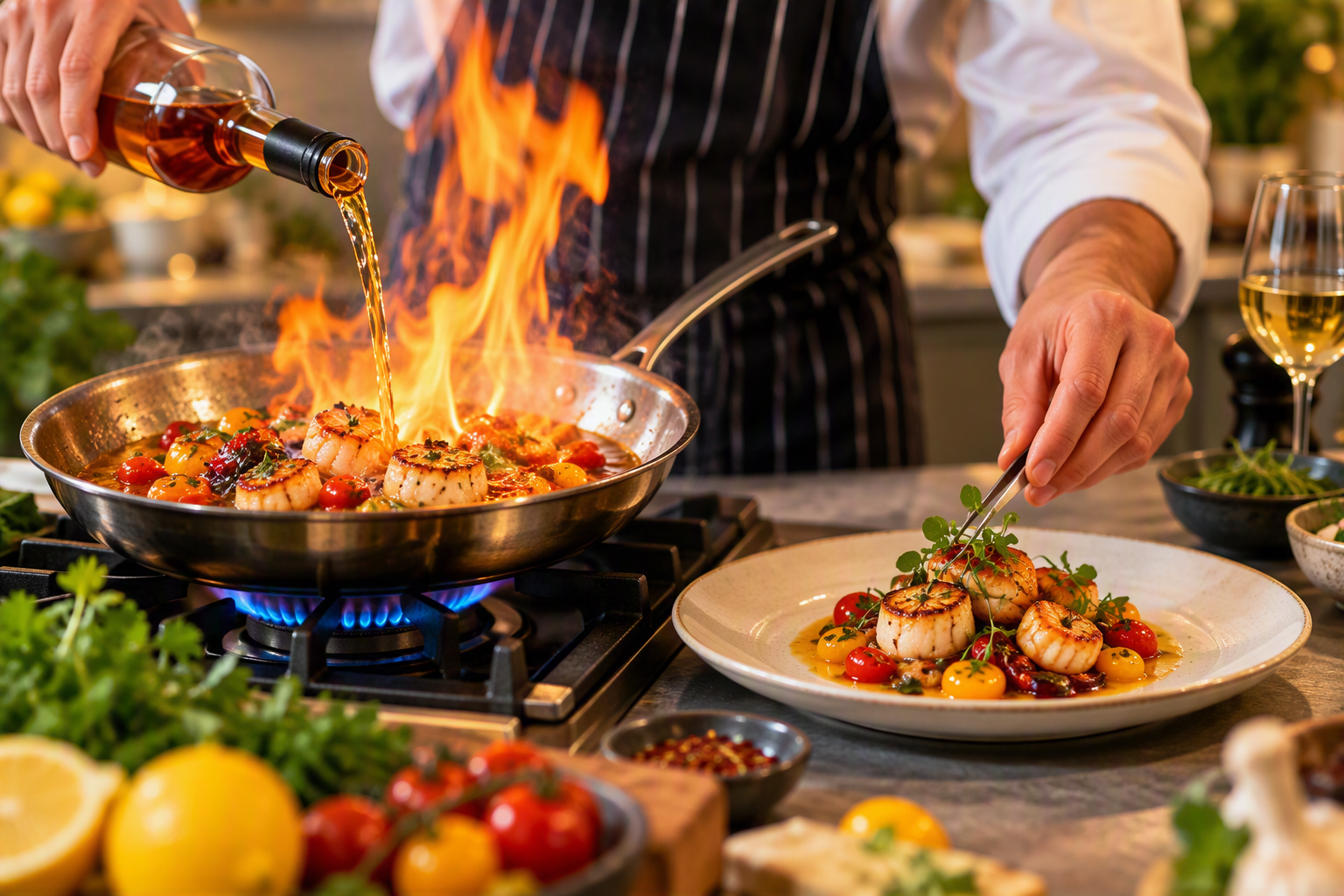
Many people assume that once alcohol is added to a recipe and heated, it completely disappears. Whether it’s wine in a pasta sauce, beer in a stew, or rum in a dessert, the common belief is that cooking instantly burns off all the alcohol.
The reality is more complicated. While cooking can reduce the amount of alcohol in food, it does not always eliminate it entirely. The amount that remains depends on several factors, including cooking time, temperature, preparation method, and the type of dish being prepared.
For anyone concerned about Blood Alcohol Content (BAC), understanding how alcohol behaves during cooking is important because some recipes can retain more alcohol than most people realize.
Does Alcohol Evaporate During Cooking?
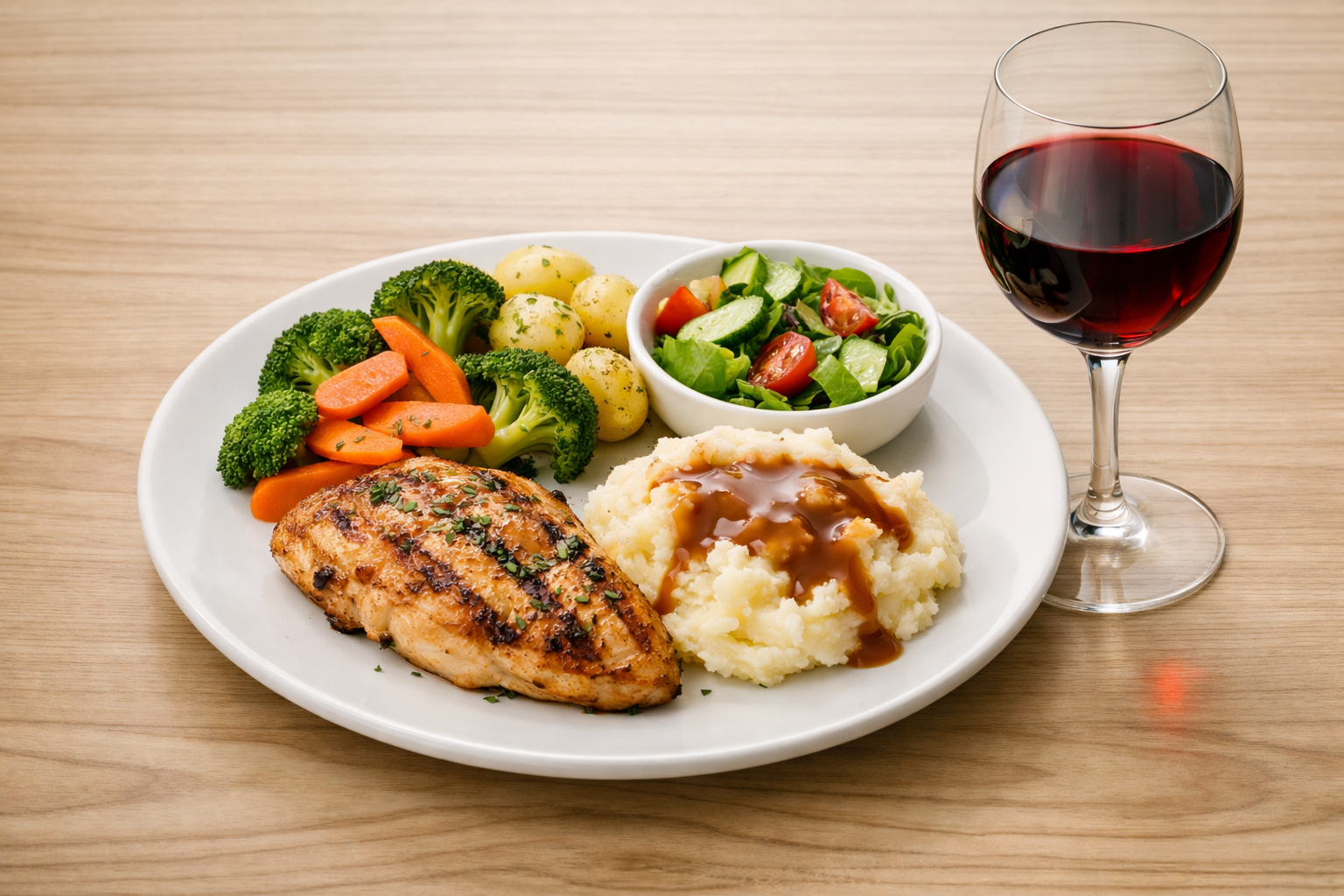
Yes, alcohol evaporates when heated. Ethanol, the type of alcohol found in alcoholic beverages, has a lower boiling point than water. Pure ethanol begins to boil at approximately 173°F (78°C), while water boils at 212°F (100°C).
However, evaporation is not an all-or-nothing process. When alcohol is mixed with water, fats, sugars, and other ingredients, it becomes much more difficult to remove completely.
The alcohol becomes incorporated into the food, and some of it remains even after prolonged cooking. As a result, the phrase “cooking burns off all the alcohol” is largely a myth.
Why Alcohol Stays in Cooked Food
Several factors influence alcohol retention:
Cooking Time
The longer food cooks, the more alcohol evaporates.
A sauce simmered for several hours will generally contain much less alcohol than a sauce that is briefly heated before serving.
Surface Area
Larger cooking surfaces allow alcohol to escape more quickly.
A wide skillet often removes alcohol faster than a deep saucepan because more liquid is exposed to the air.
Cooking Method
Different cooking methods affect alcohol removal differently.
Examples include:
- Flambéing
- Simmering
- Baking
- Slow cooking
- Pressure cooking
Each method exposes alcohol to heat for different lengths of time.
Ingredient Composition
Sugar, fats, and proteins can interfere with alcohol evaporation.
Rich sauces, desserts, and creamy dishes often retain alcohol more effectively than thinner liquids.
How Much Alcohol Remains After Cooking?
The percentage of alcohol that remains can vary significantly.
- Cooking Method Approximate Alcohol Retained
- Added to hot food and removed from heat High retention
- Brief simmering Moderate retention
- One hour of simmering Significantly reduced
- Two or more hours of simmering Much lower retention
- Long, slow cooking Lowest retention
It is important to understand that “less alcohol” does not necessarily mean “alcohol-free.”
Even recipes that have been cooked for extended periods may still contain trace amounts of alcohol.
Does Flambé Remove All the Alcohol?
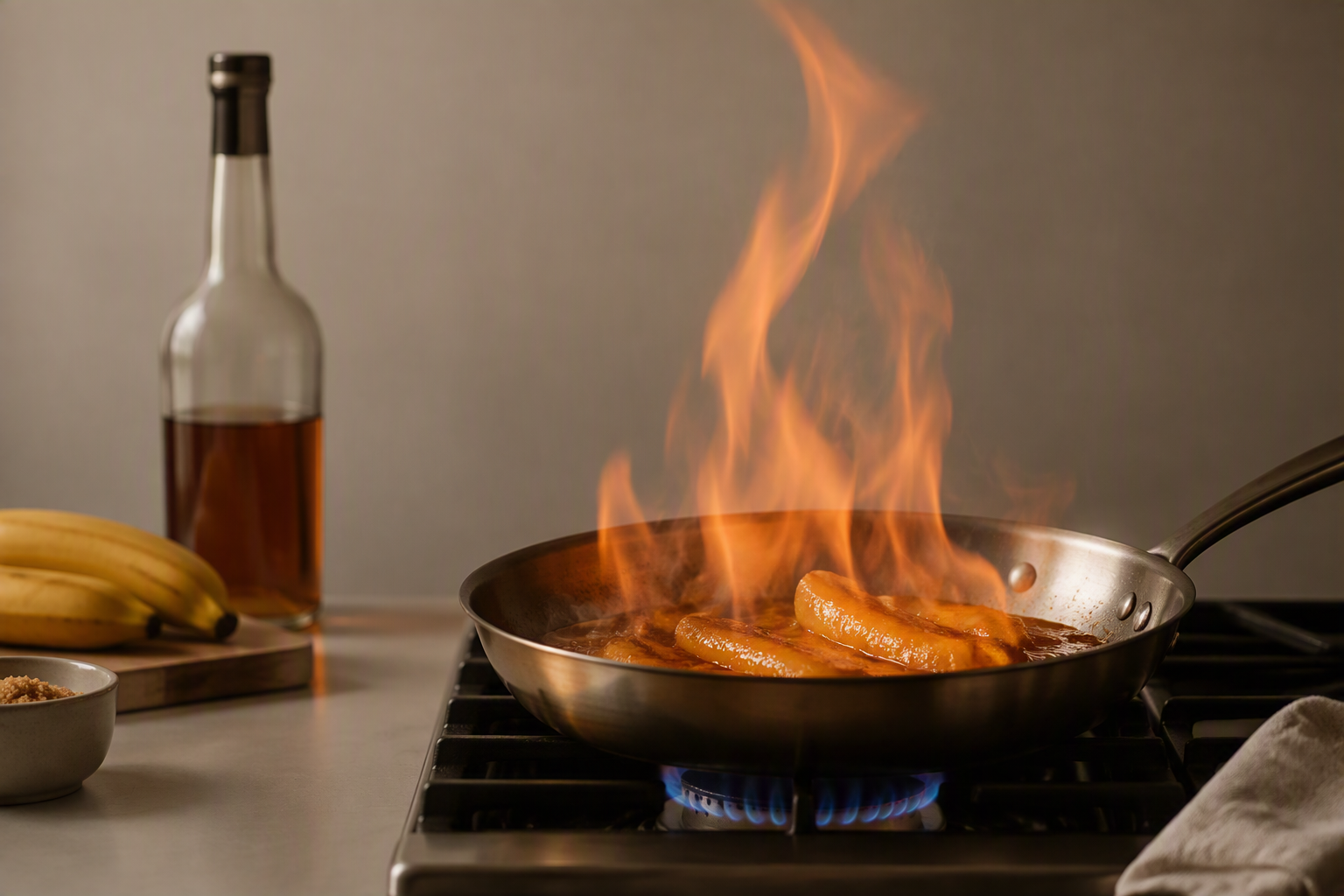
Flambéing involves igniting alcohol to create a dramatic flame. Many people believe the visible flame burns away all of the alcohol.
In reality, the fire typically lasts only a short time. Although some alcohol is burned off, a noticeable portion can remain in the final dish.
Popular flambé recipes include:
- Cherries Jubilee
- Bananas Foster
- Steak Diane
- Crêpes Suzette
These dishes may still contain alcohol after the flames disappear.
Alcohol in Sauces and Gravies
Wine-based sauces are among the most common sources of hidden alcohol.
Chefs often use:
- Red wine
- White wine
- Sherry
- Marsala
- Port wine
to add depth and complexity to dishes.
If the sauce is only reduced briefly, substantial alcohol can remain. Longer simmering generally results in lower alcohol content.
Alcohol in Desserts
Desserts can sometimes retain significant amounts of alcohol because many recipes involve little or no cooking.
Examples include:
- Rum cake
- Tiramisu
- Bourbon balls
- Trifles
- Alcohol-infused chocolates
In some cases, alcohol is added after baking or incorporated into frostings and fillings, allowing much of it to remain intact.
Can Cooked Food Affect BAC?
For most adults eating a normal serving of food containing small residual amounts of alcohol, a measurable BAC increase is unlikely.
However, several factors may increase exposure:
- Large serving sizes
- Multiple servings
- Dishes containing substantial amounts of alcohol
- Minimal cooking time
- Small body size
- Reduced alcohol tolerance
Even when alcohol remains in food, reaching the /legal-bac-limit/legal BAC limit through normal consumption of alcohol-cooked dishes would generally be uncommon. However, recipes containing large quantities of alcohol and limited cooking time may contribute more alcohol than many people expect.
Who Should Be Cautious?
Certain groups may wish to avoid foods prepared with alcohol altogether.
These include:
People in Recovery
Individuals recovering from alcohol dependence often prefer to avoid foods containing any amount of alcohol.
Pregnant Individuals
Many healthcare professionals recommend limiting unnecessary alcohol exposure during pregnancy.
Children
Children have smaller bodies and lower tolerance to alcohol than adults.
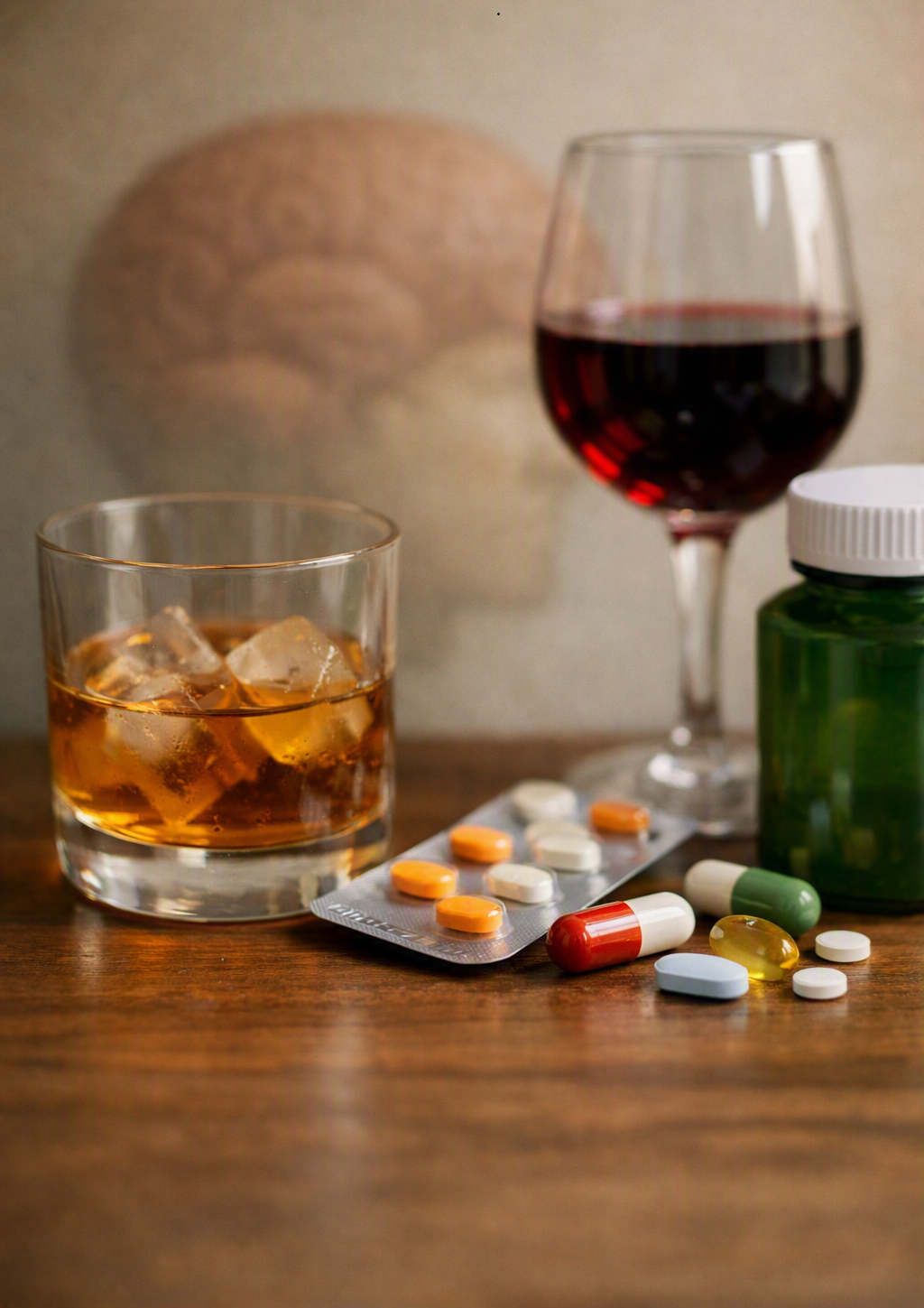
Individuals Taking Certain Medications
Some medications interact with alcohol, even in small quantities.
People Following Religious or Personal Restrictions
Many people choose to avoid alcohol for cultural, ethical, or religious reasons and may prefer recipes prepared without alcoholic ingredients.
Alcohol-Free Alternatives for Cooking
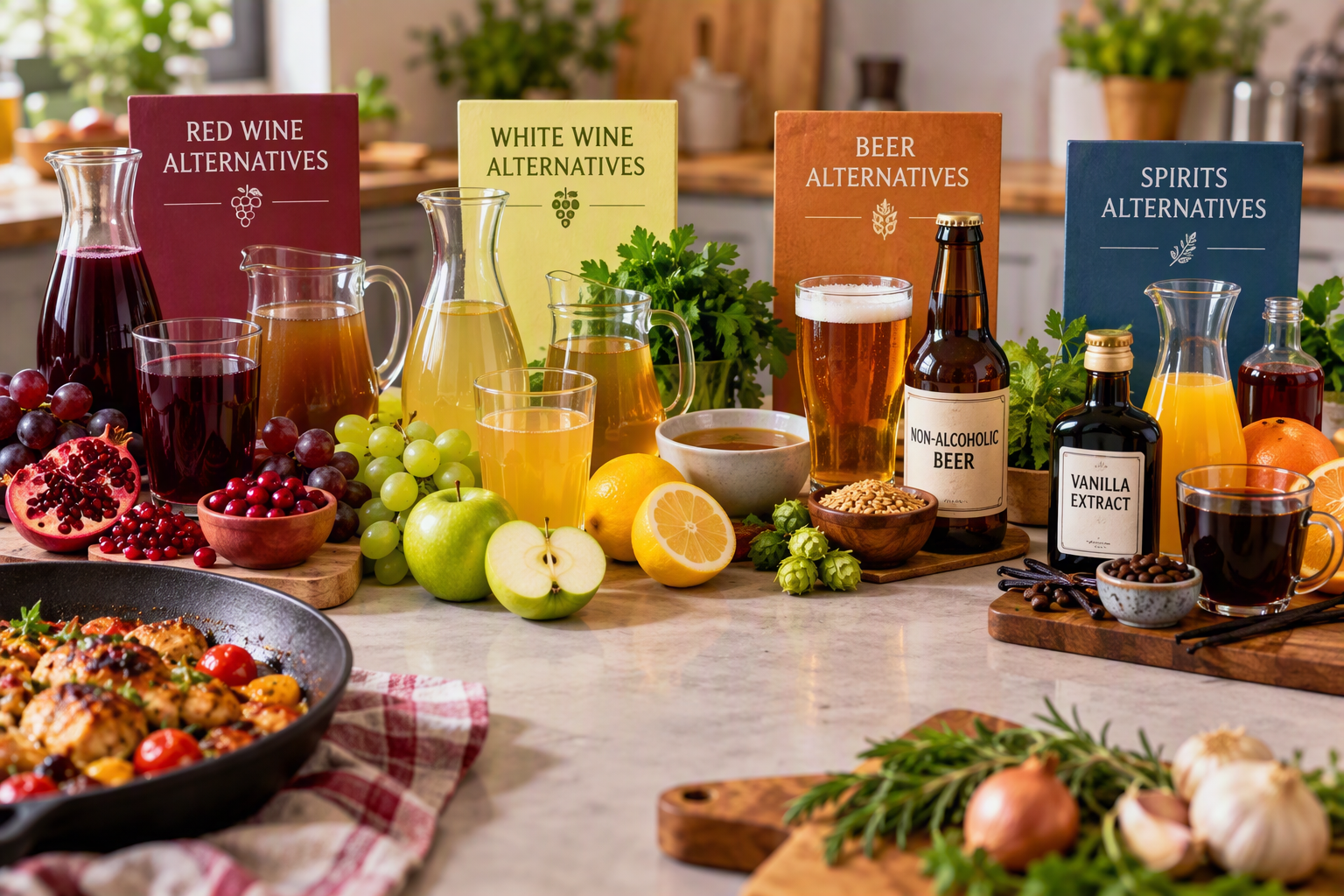
Fortunately, many substitutes provide similar flavor without adding alcohol.
Popular alternatives include:
- For Red Wine –
Red grape juice
Cranberry juice
Pomegranate juice
Beef broth
- For White Wine
White grape juice
Apple juice
Vegetable broth
Lemon juice diluted with water
- For Beer
Non-alcoholic beer
Malt beverages
Vegetable stock
- For Spirits
Flavor extracts
Fruit juices
Coffee
Vanilla alternatives
These substitutes can provide complexity without introducing alcohol into the recipe.
Wrapping Up
Cooking can reduce the amount of alcohol in food, but it does not always remove it completely. Factors such as cooking time, temperature, preparation method, and ingredients determine how much alcohol remains in the final dish.
While long simmering and slow cooking significantly lower alcohol content, traces may still be present even after extended cooking.
For individuals monitoring alcohol consumption, recovering from alcohol dependence, managing medical conditions, or simply seeking accurate information about BAC, it is important to remember that “cooked with alcohol” does not automatically mean it becomes “alcohol-free.” Understanding this distinction can help you make informed choices about the foods you eat and the recipes you prepare.
