Alcohol and BAC – Why Drink Type Isn’t the Whole Story
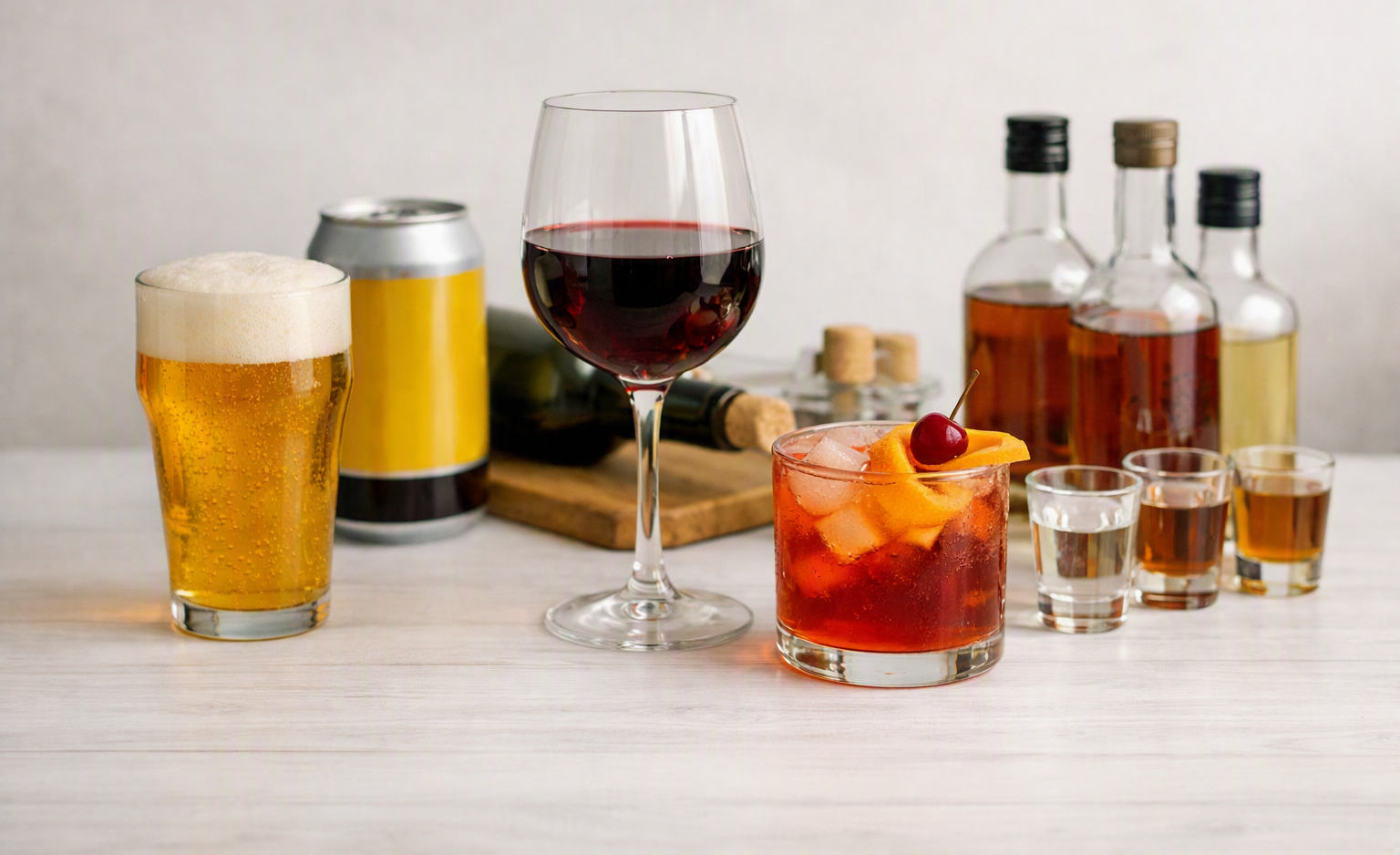
A beer, a glass of wine, and a cocktail may look completely different, but they can all affect your Blood Alcohol Concentration (BAC) in ways you might not expect.
The type of alcohol matters, but the amount, serving size, alcohol percentage, and drinking speed matter even more. That’s why simply counting drinks doesn’t always tell you how intoxicated you might become.
It’s Not Really About Beer, Wine, or Liquor
When people talk about alcohol, they often compare beverages as though some types are naturally more intoxicating than others. You might hear someone say, “I’ll stick to beer tonight because it’s weaker,” while someone else avoids spirits because they believe liquor automatically means getting drunk faster.
There’s some truth behind these perceptions, but they miss an important detail: the alcohol responsible for intoxication is ethanol, regardless of whether it comes from beer, wine, whiskey, vodka, rum, or another beverage.
What changes is how much alcohol you’re actually consuming. A regular beer may contain a relatively low percentage of alcohol, while spirits can have a much higher concentration. Wine generally falls somewhere between them. But the size of the serving can completely change the picture.
For example, someone might have two beers during dinner and assume they’ve had less alcohol than someone who had two glasses of wine. But if those beers are large or have a high ABV, the difference may not be what they expect.
That’s why looking only at the type of drink can give a false sense of how much alcohol has been consumed.
Beer Can Add Up Faster Than You Think
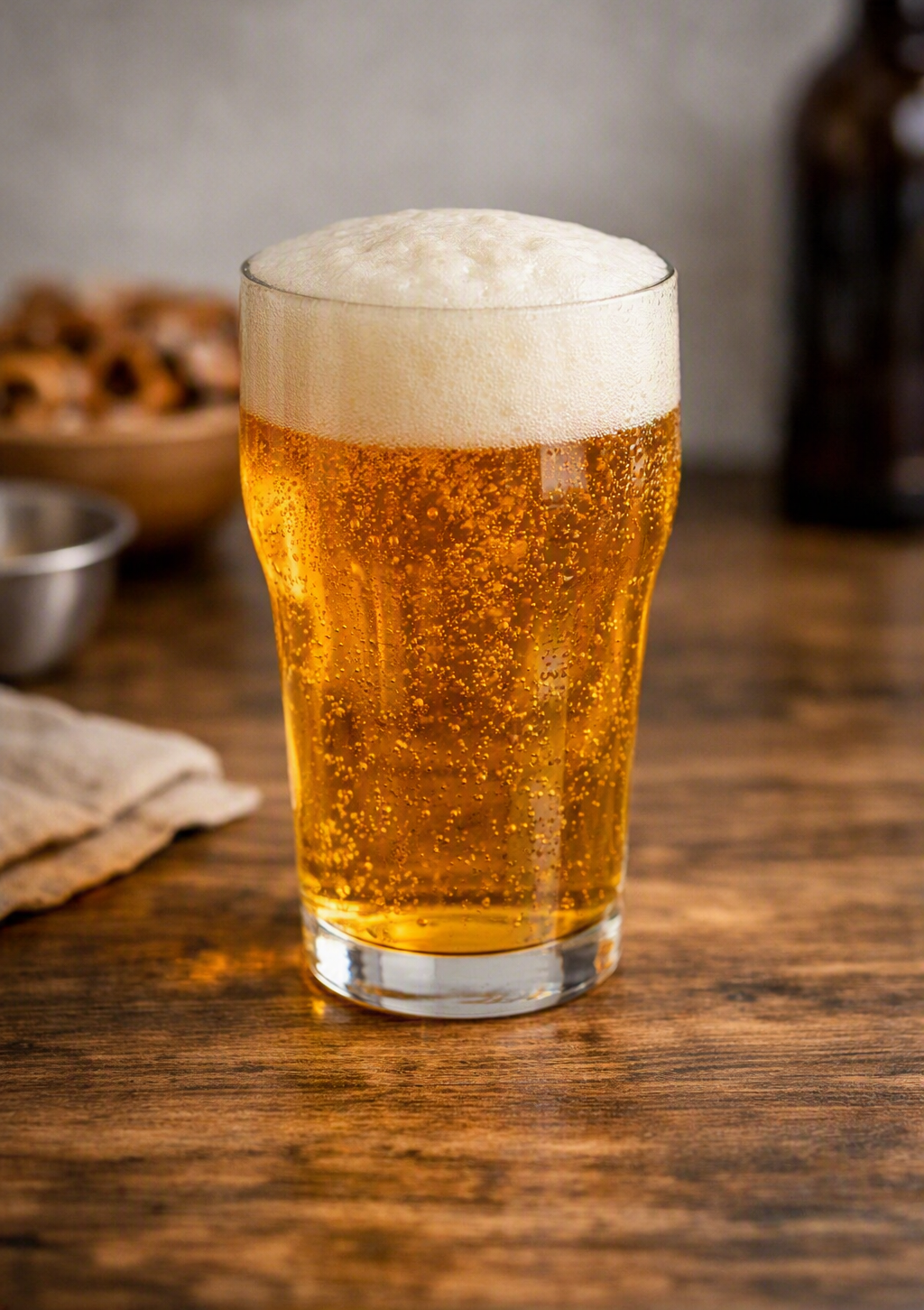
Beer is often associated with casual drinking because it usually contains less alcohol by volume than spirits.
But that doesn’t mean it can’t produce significant intoxication.
Imagine watching a football match with friends. You start with one beer, have another during halftime, and then order a third because the game goes into extra time. It doesn’t feel like much because each drink is relatively low in alcohol.
Now consider the size of those beers and their ABV. A large can of strong craft beer can contain considerably more alcohol than a smaller serving of regular lager. This is why alcohol charts comparing beverage types should always be read alongside serving size and ABV. Looking at the percentage alone isn’t enough.
Wine Can Be Easy to Underestimate
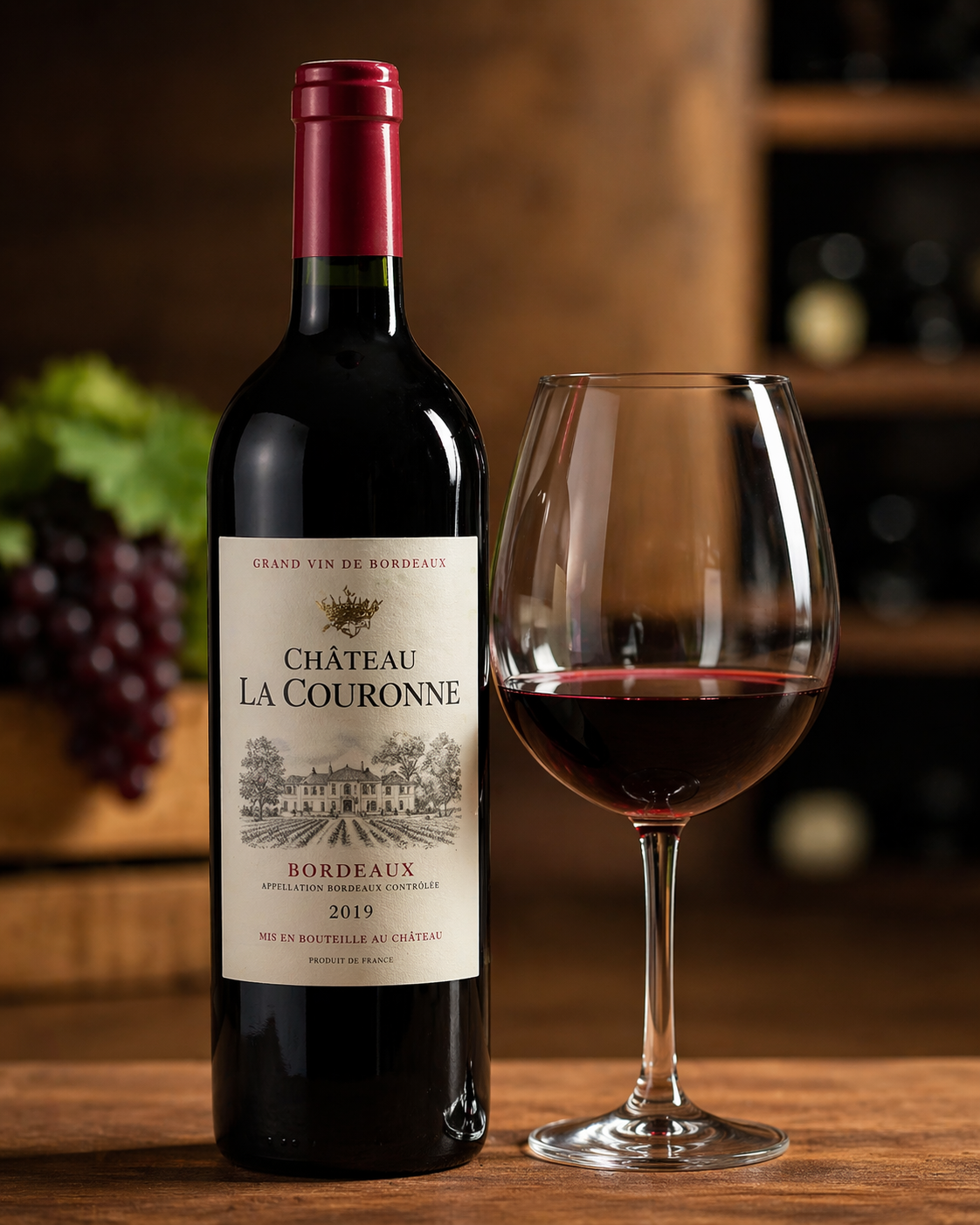
Wine creates a different problem. People often pour wine into large glasses without measuring. The glass may look like a single serving even when it contains much more than one standard pour.
Picture someone having dinner at home. They pour a glass while cooking, finish it during dinner, and pour another while watching television afterward. Because the drinking is spread across the evening, it may not feel like a lot — but the body is still processing every drink.
The alcohol percentage also varies between wines, so two glasses aren’t necessarily equivalent.
This is one reason a BAC calculator shouldn’t be treated as a precise measurement. If you enter “two glasses of wine,” the result can only be as accurate as the information you provide. A large pour and a small pour aren’t the same thing.
Spirits Have a Higher Concentration
Spirits such as vodka, whiskey, rum, gin, and tequila usually contain substantially more alcohol by volume than beer or wine. That’s why they’re served in much smaller quantities. A shot might look tiny compared with a beer, but it can contain a similar amount of pure alcohol depending on the serving sizes and ABV involved.
Now imagine someone at a party taking several shots within a short period. Because each serving is small, it’s easy to lose track of how much alcohol has actually been consumed. And there’s another issue: drinking speed.
Several shots consumed within 30 minutes can affect BAC very differently from the same amount of alcohol spread across several hours. The alcohol hasn’t magically become stronger — it’s simply entering the bloodstream faster than the body can eliminate it.
Cocktails Make the Calculation Even Harder
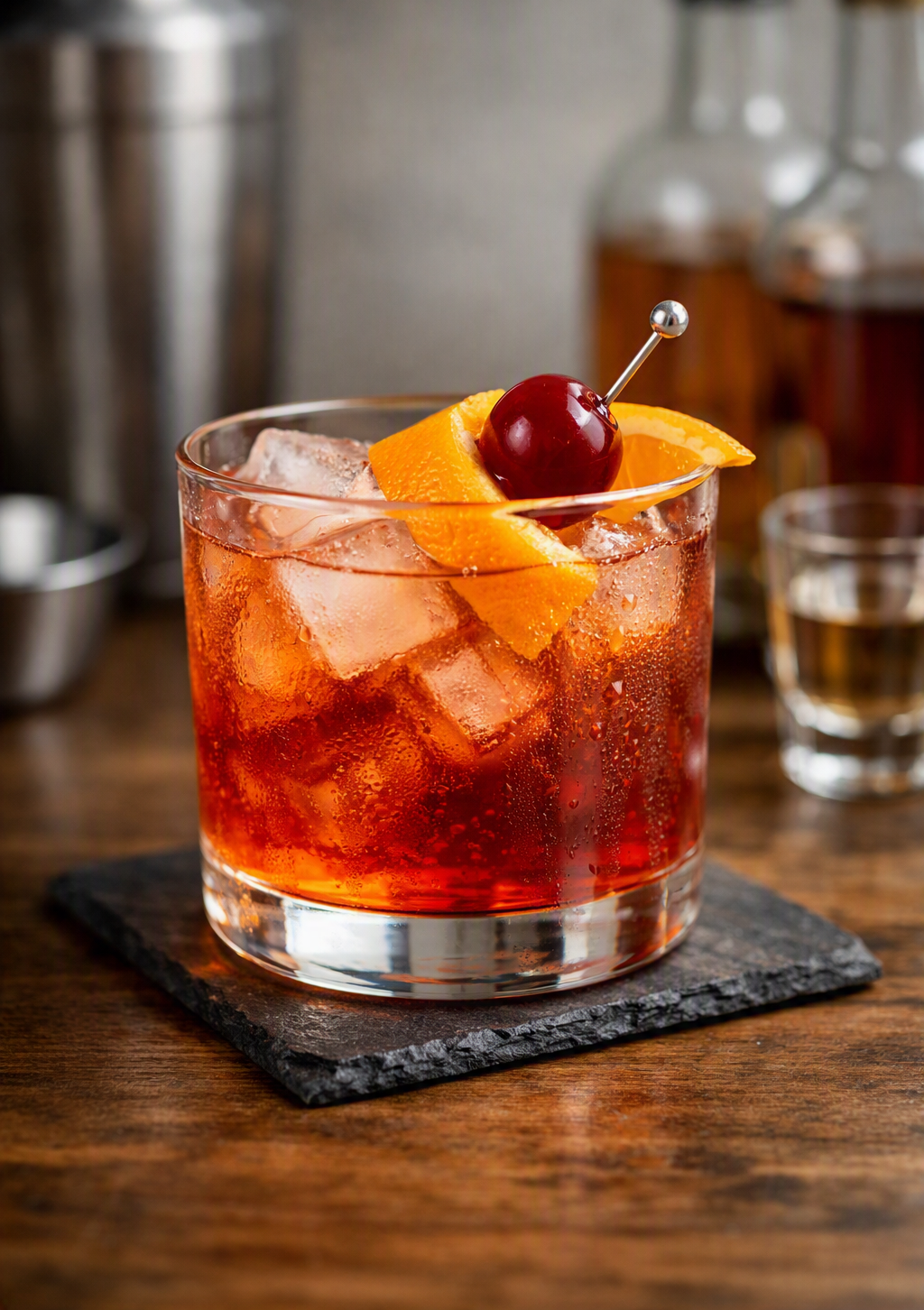
Cocktails can be particularly tricky to judge. Consider someone ordering a cocktail at a bar. They might think they’re having one drink, but the recipe could contain more than one serving of spirits.
A cocktail can also include sweet juices, soda, syrups, or other ingredients that make the alcohol taste less noticeable — making it easier to drink quickly. For example, someone might have two sweet cocktails over an hour and feel fine at first. The effects can become more noticeable later as the alcohol is absorbed.
This is why “I only had two drinks” doesn’t tell us enough. Two cocktails could represent a very different amount of alcohol depending on how they were made. Also, the amount of water present in it matters.
Drinking Speed Changes the Picture
The amount of alcohol isn’t the only factor that matters — how quickly you drink it matters too.
Imagine two people consume the same amount of alcohol. One drinks slowly over four hours while eating a meal. The other consumes the same amount in less than an hour. Their experiences can be very different.
When alcohol is consumed quickly, BAC can rise rapidly because the body can’t eliminate alcohol as fast as it’s being absorbed. This is also why drinking several shots in a short period can be risky. Someone might not feel extremely intoxicated immediately, but their BAC can continue rising as alcohol already consumed is absorbed. Stopping drinking doesn’t instantly make the alcohol disappear.
Why the Same Number of Drinks Can Feel Different
You may notice that the same number of drinks doesn’t always produce the same experience. One evening, two drinks might make you feel relaxed. Another evening, those same two drinks might affect you much more strongly. That’s because alcohol affects people differently.
Body size, biological variability, drinking speed, medications, sleep, tolerance, food intake and individual metabolism all influence how alcohol affects someone.
That’s why two people sitting at the same table can drink the same beverage and have completely different experiences.
A BAC chart can help explain general patterns, but it can’t capture every difference between individuals.
Why Switching Drinks Doesn’t Make You Sober
You may have heard advice such as switching from liquor to beer to “slow down” intoxication. Changing beverages doesn’t reverse the alcohol you’ve already consumed.
If you switch from spirits to beer but continue drinking, your BAC can keep rising. Likewise, drinking water between alcoholic beverages helps with hydration but doesn’t remove alcohol from your bloodstream.
The same applies to coffee — you may feel more alert after caffeine, but being more awake doesn’t mean your BAC has fallen or that your driving ability has returned to normal.
Wrapping Up
A strong spirit contains more alcohol by volume than a typical beer. But a large beer can contain more alcohol than someone realizes. A wine pour can be much larger than a standard serving. And a cocktail can contain multiple servings of spirits.
The bigger factors are how much alcohol you consume, how quickly you consume it, and how your body responds. That’s why the safest approach isn’t to memorize which drink is “better” or rely on a BAC calculator to find your personal limit — it’s to understand what’s really in your glass.