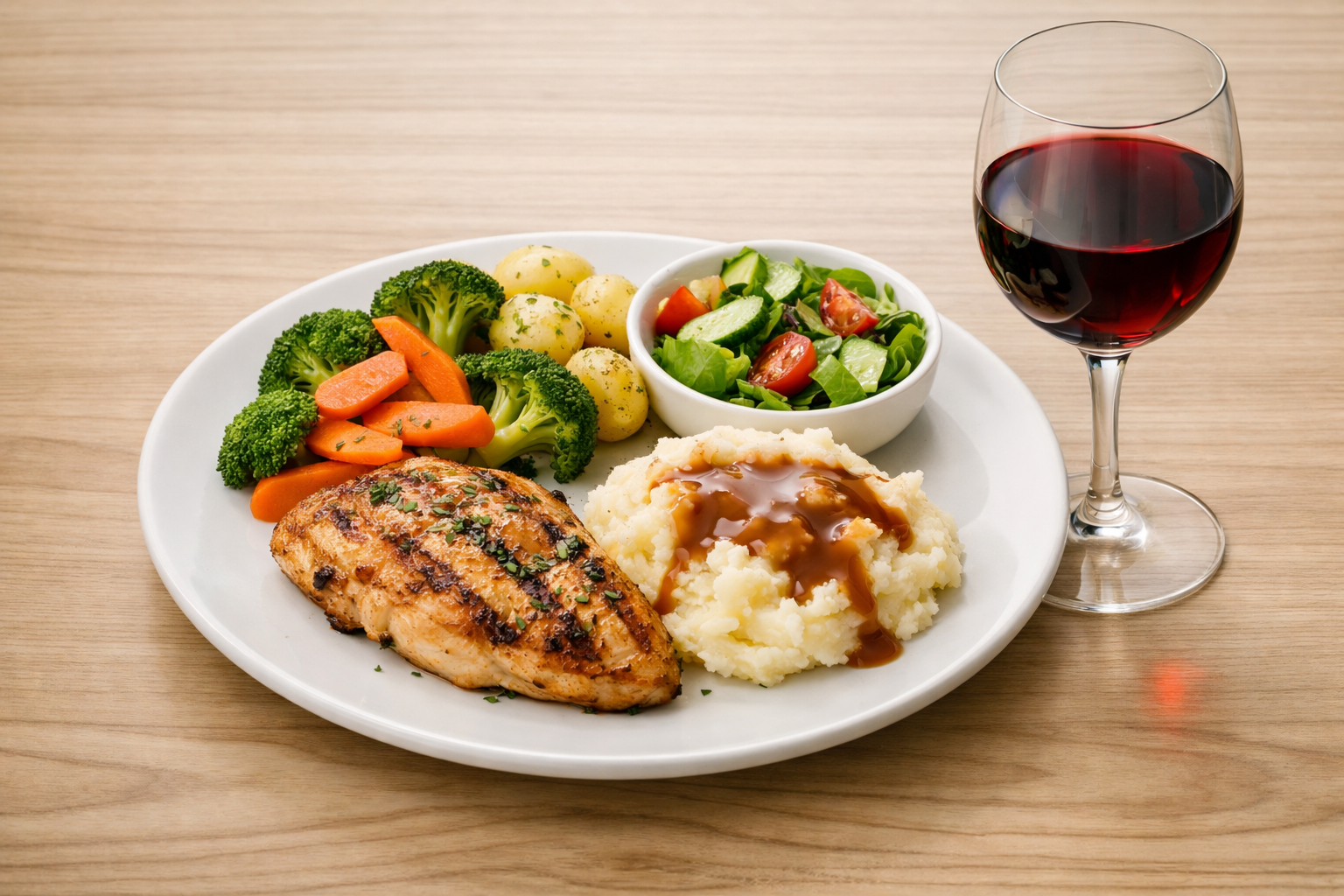
Imagine this. It is Friday night. A group of friends meets at a restaurant after a long week. One person orders a drink before dinner arrives. Another waits until after eating a full meal.
Both drink the same amount. But 30 minutes later, something feels different. One person feels the effects quickly. The other says, “I barely feel anything.” This creates a common belief – “Food absorbs alcohol, so I won’t get drunk.” It’s due to biological variability.
But is that actually true? The answer is more complicated. Food can change how quickly alcohol enters your bloodstream, but it does not magically remove alcohol from your body or make you immune to its effects.
Understanding this difference is important because many people misunderstand how food affects BAC (Blood Alcohol Concentration).
What Happens When You Drink Alcohol?
When you drink alcohol, your body begins processing it almost immediately. Unlike food, alcohol does not need much digestion.
It moves from your stomach and small intestine into your bloodstream, where it travels throughout your body.
This is when your BAC starts changing. Your BAC represents the amount of alcohol present in your blood.
A higher BAC generally means stronger effects, such as:
- Slower reaction time
- Reduced coordination
- Poor judgment
- Changes in concentration
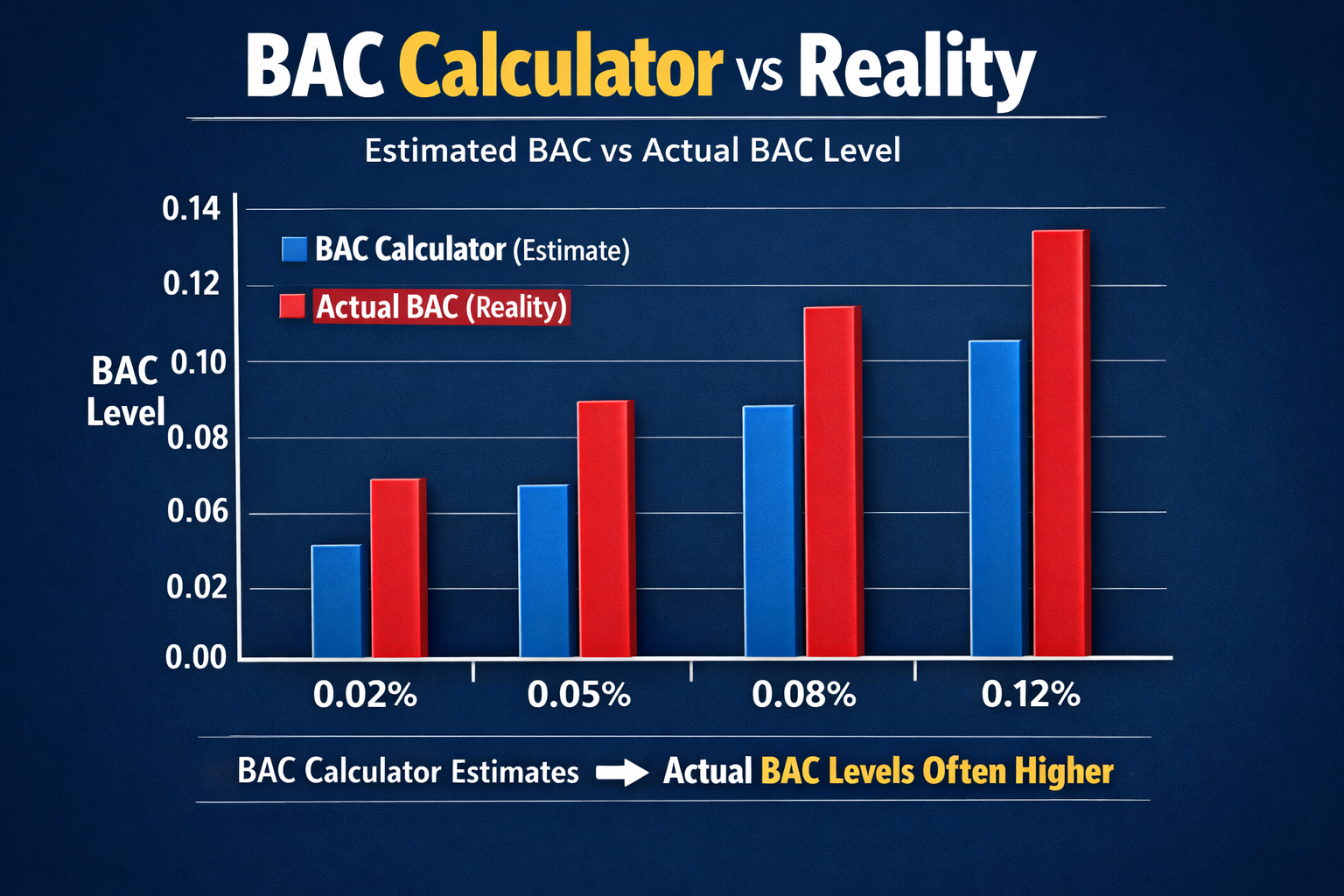
Many people use a BAC calculator to estimate their alcohol level based on factors like:
- Number of drinks
- Body weight
- Time spent drinking
- Gender
However, a BAC calculator is only an estimate. It cannot replace an actual measurement.
The Empty Stomach Effect: Why Alcohol Feels Stronger
Let’s return to our restaurant example.
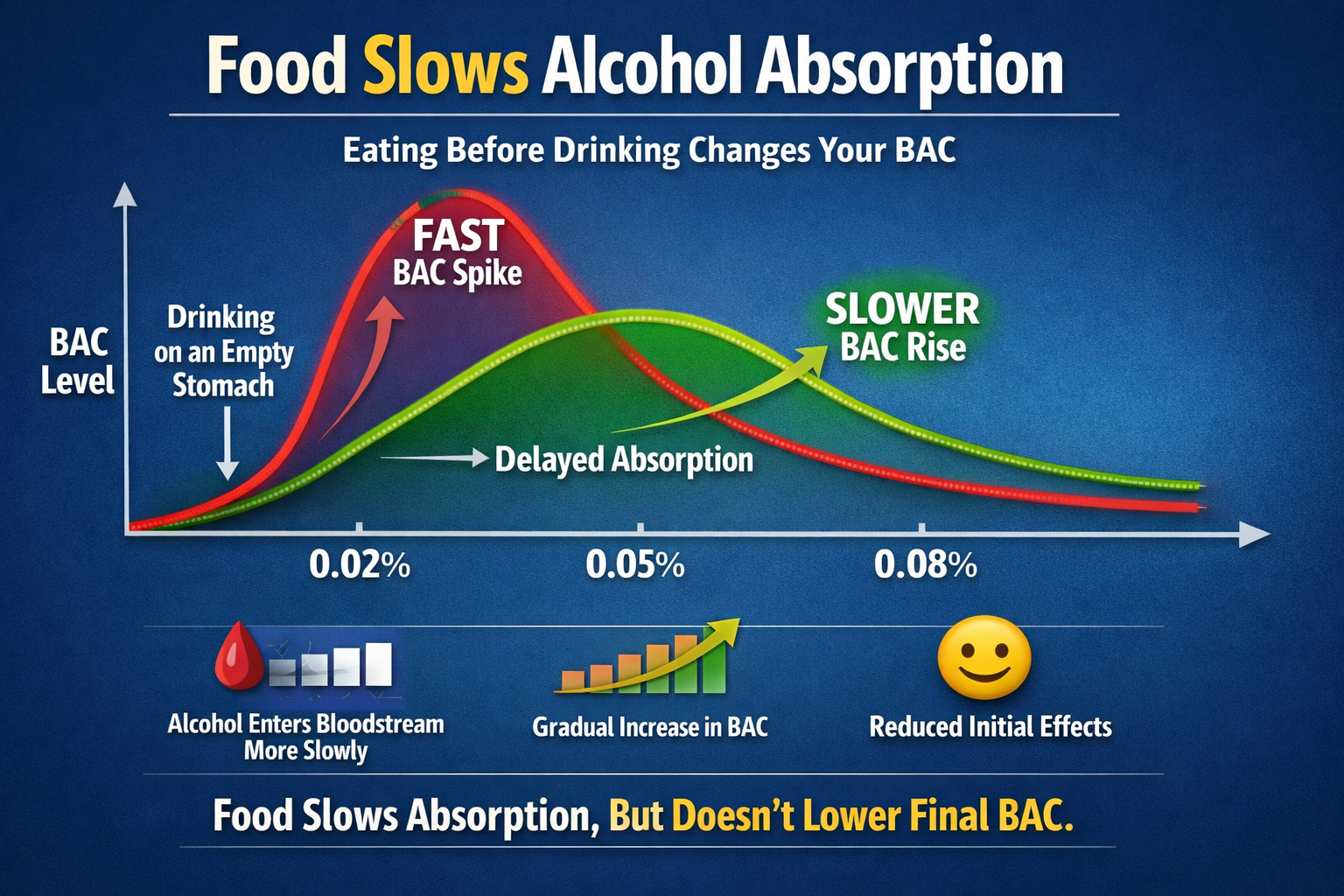
Imagine someone arrives hungry and starts drinking before eating. The alcohol quickly passes through the stomach into the small intestine, where absorption happens rapidly. Because there is no food slowing the process, BAC can rise faster.
This is why people often say- “I had the same number of drinks, but it hit me harder this time.”The difference may not be the alcohol amount. It may be the timing of the meal.
How Food Changes Your BAC
Now imagine the same person eats a meal first. The food creates a temporary slowdown.
Alcohol stays in the stomach longer before moving into the small intestine. This means:
- Alcohol enters the bloodstream more slowly
- BAC rises more gradually
- The effects may feel less sudden
But here is the important part – food does not lower your final BAC instantly. The alcohol is still entering your system. It is just happening at a slower pace. Think of food like a speed control, not an erase button.
A Simple BAC Comparison
Real BAC depends on many factors, including body size, metabolism, drink strength, and timing.
The big myth is that – “If I Eat, I Can Drink More”. This is one of the biggest misunderstandings. Someone may think – “I ate a big meal, so I can handle more alcohol.” But food does not change the amount of alcohol your body must process.
Your liver still has to break down the alcohol. A meal may delay the feeling of intoxication, but the alcohol is still there. This can actually create a problem, because the effects feel delayed, some people drink more than they planned. Later, when the alcohol catches up, their BAC may be much higher than expected.
Consider a person attends a birthday dinner. Before eating, she has one cocktail. Then she enjoys a large meal. She feels fine. An hour later, she thinks – “I’m okay. I don’t even feel the drink.” So she orders another one. Then another.
The food helped slow the absorption, but it did not stop the alcohol. Later in the evening, the combined drinks begin affecting her. This is why relying only on how you feel can be misleading.
Does Fatty Food Work Better?
You may have heard people say- “Eat greasy food before drinking.” There is some truth behind the idea that meals containing fat, protein, and carbohydrates can slow stomach emptying.
But greasy food is not a magic solution. Eating – Pizza, burgers, fried food does not cancel alcohol. It may slow absorption, but your body still has to process the same amount of alcohol.
Water, Food, and Other Common Myths
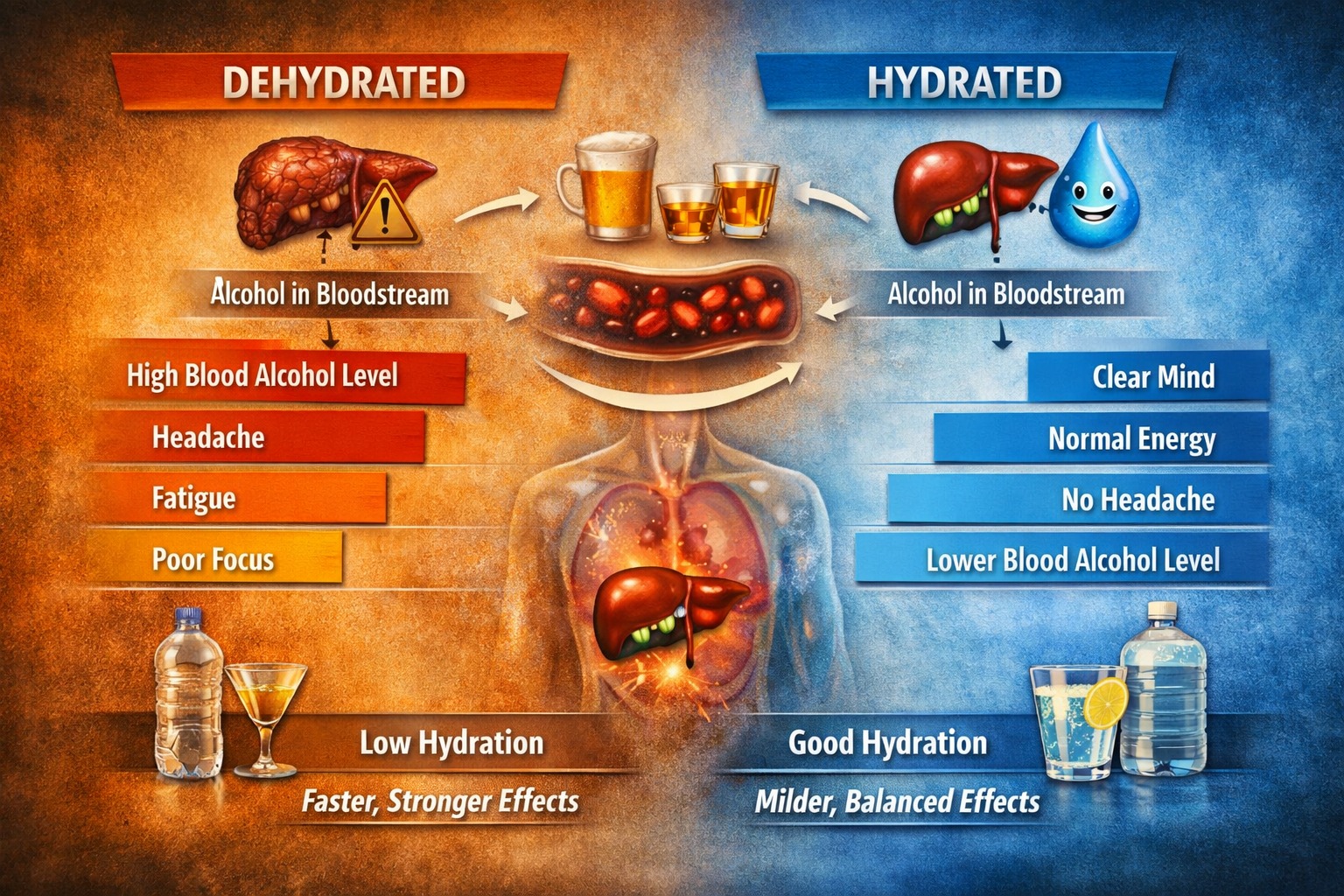
People often combine drinking with different “solutions.”
- Drinking Water
They may try drinking water. Water can help with hydration. But it does not remove alcohol from your bloodstream.
- Eating after drinking
Eating afterward may slow additional absorption if alcohol is still in your stomach. But it does not instantly reduce BAC.
- Coffee
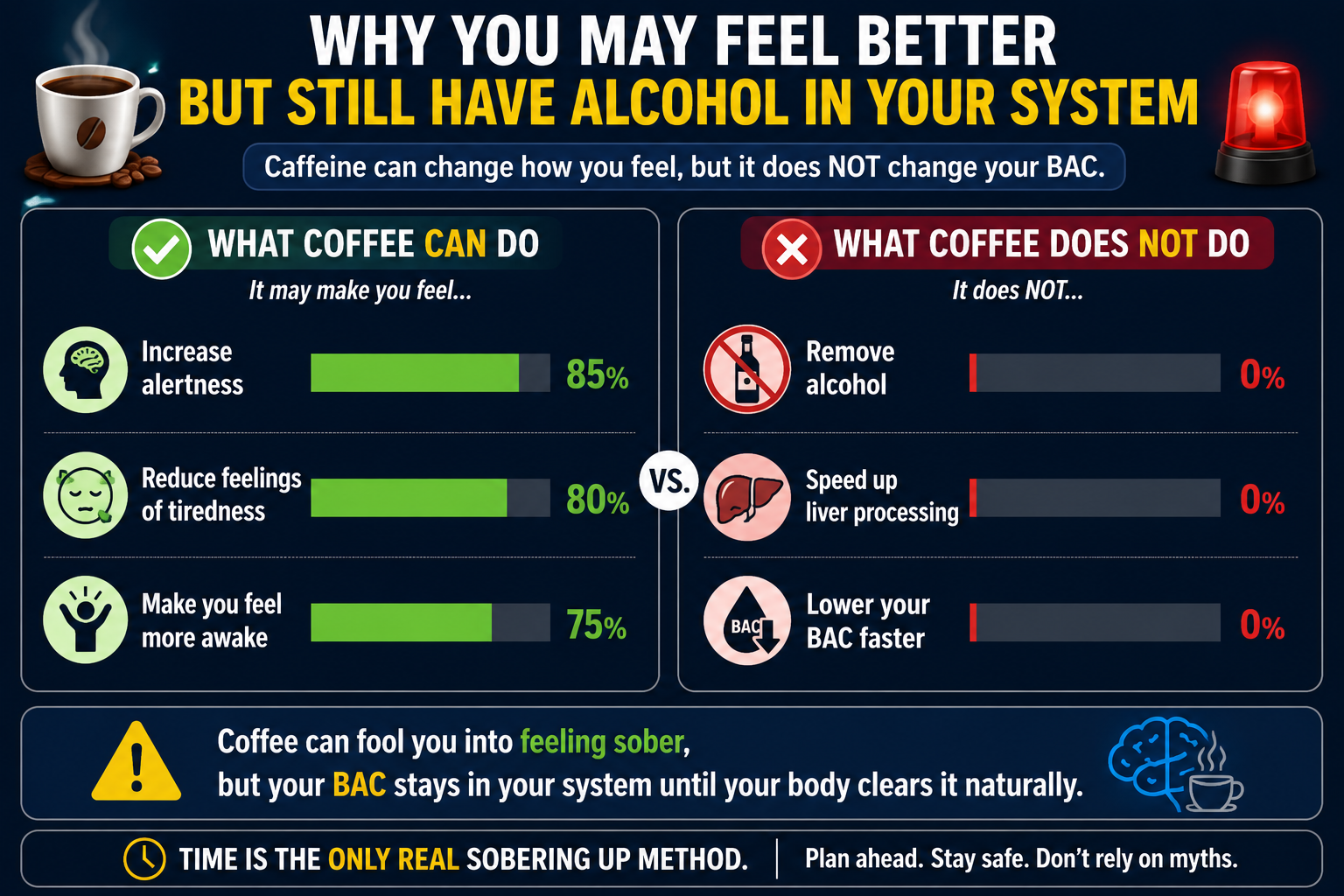
Coffee may make someone feel more awake. But caffeine does not speed up alcohol breakdown. Feeling alert does not mean BAC is lower.
Understanding Legal Limits
Many countries have legal driving limits based on BAC. For example, some places use a BAC limit around 0.08%, while others have lower limits.
These legal limits exist because alcohol affects:
- Reaction speed
- Decision making
- Driving ability
The dangerous mistake is assuming -“I feel fine, so I must be under the legal limit.”
Your perception is not a reliable BAC measurement.
Can A BAC Calculator Tell You If You Are Safe?
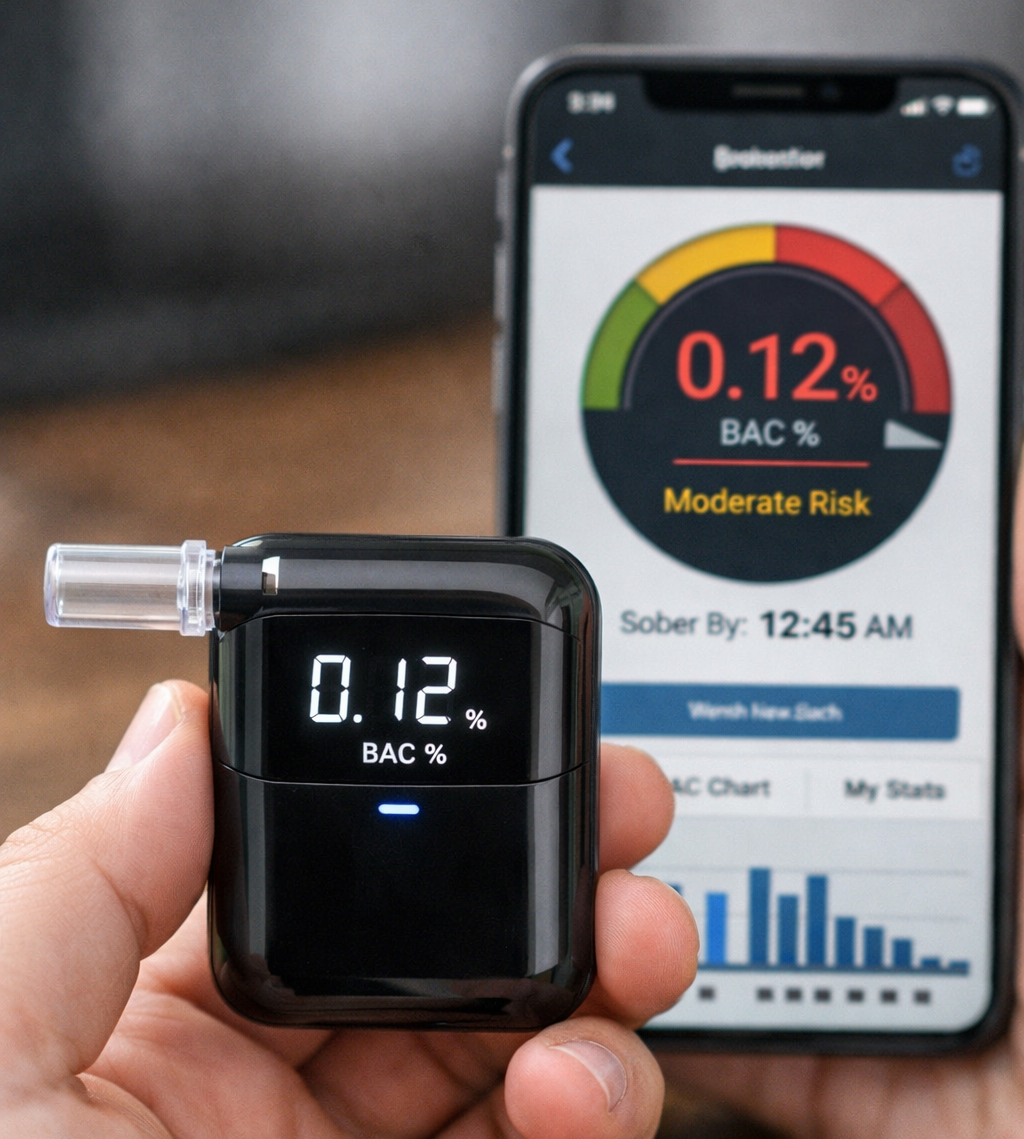
A BAC calculator can be useful for education. It can show how different factors may influence alcohol levels.
But remember A BAC calculator is an estimate. It cannot know:
- Your exact metabolism
- Your health condition
- Your exact drink size
- How quickly you consumed alcohol
The safest approach is never to use a calculator as a guarantee that you are okay to drive.
The Real Relationship Between Food and BAC
The easiest way to remember it:
- Food can slow alcohol absorption.
- Food cannot remove alcohol.
- Food can change how quickly BAC rises.
- Food cannot instantly bring BAC below legal limits.
Only your body’s natural processing over time reduces BAC.
Wrapping Up
The next time someone says – “I ate a big meal, so I’m fine.” Remember the restaurant story. The meal may have changed the timing. It may have made the alcohol feel weaker at first. But the alcohol is still being processed inside the body. Understanding how food affects BAC helps you make better decisions.
A BAC calculator, a chart, or personal experience can help explain the science — but they cannot replace responsible choices. Because when it comes to alcohol, time is the only real factor that lowers BAC.
