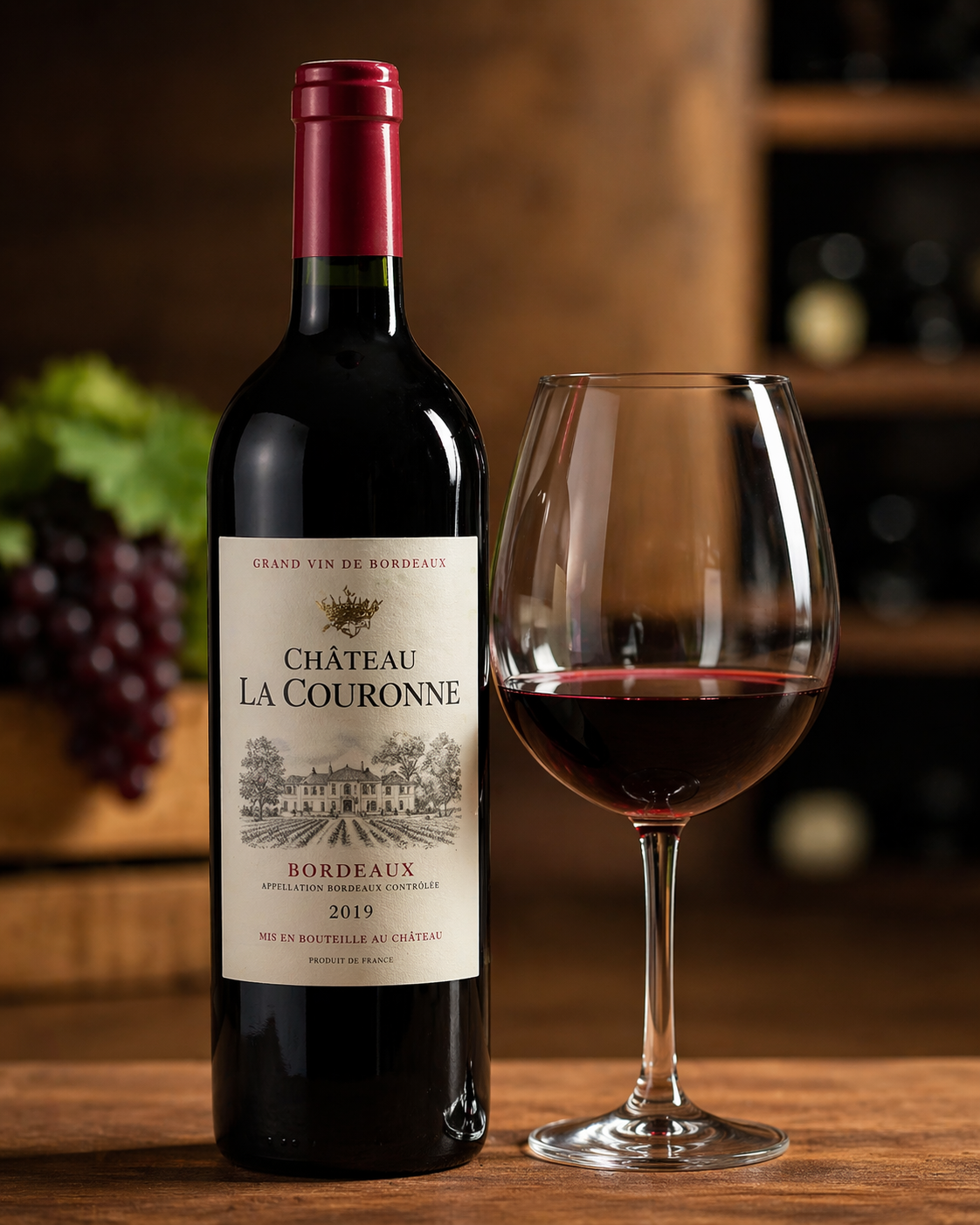
Most people think alcohol works in a straight line—you count how many drinks, check charts or a calculator, and compare it to alcohol law or legal limits. It feels predictable.
But then some nights don’t match the numbers. Same drinks, same pace—yet one feels smooth while another hits fast and unexpectedly.
It’s not just the alcohol. It’s how your body controls when it enters your bloodstream. A hidden mechanism – the pyloric valve alcohol absorption BAC connection – can speed things up or slow them down, changing how your blood alcohol concentration rises.
Here is how to see why alcohol isn’t just about what you drink—but how your body times it.
The Hidden Gate Inside Your Body
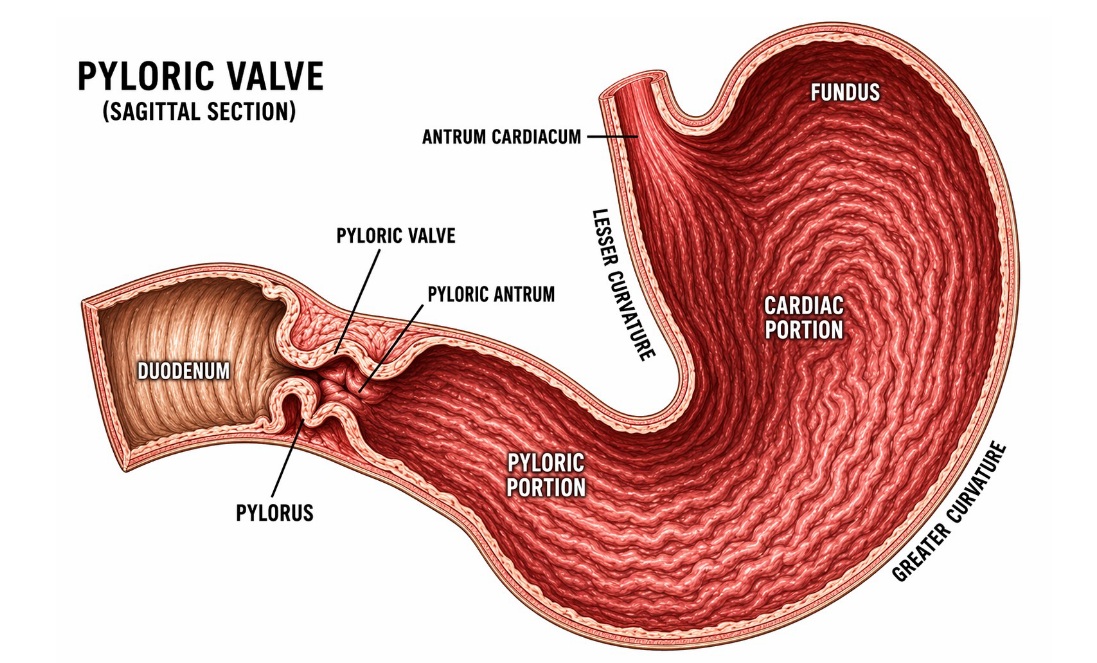
The pyloric valve (or pyloric sphincter) is a narrow muscular opening located at the bottom of your stomach, where it connects to the small intestine.
Think of your stomach as a waiting room—and this valve as the door. It doesn’t just open randomly. It regulates when the contents of your stomach move forward into the small intestine, where most alcohol is actually absorbed into the bloodstream.
That means one crucial thing:
The pyloric valve alcohol absorption BAC connection – Here, it helps control how fast alcohol enters your system. Sometimes it slows things down.
Sometimes it lets things pass quickly. And that timing changes everything.
The Night That Doesn’t Add Up – Pyloric Valve Alcohol Absorption BAC Connection
Imagine one evening, you’re out with friends. You’ve had two drinks—same as always. You feel steady, relaxed, completely in control. Nothing unusual.
A few days later, a nearly identical situation:
- Same number of drinks
- Same place
- Same pace
But this time, something feels different.
The first drink hits faster. The second one lands harder. Within a short time, you feel a rush you didn’t expect. It’s not gradual—it’s sudden.
And the question hits you – How can the same number of drinks feel so different?
The Missing Piece in the “How Many Drinks” Question
We’re taught to think about alcohol in numbers:
- How many drinks have I had?
- Where does that put me on the charts?
- Am I still under the legal limit?
There are even tools that help estimate this. You can calculate it here. But here’s the problem.
Those tools assume your body behaves the same way every time. It doesn’t. Because alcohol isn’t just about how much you drink. It’s about how fast your body lets it affect you.
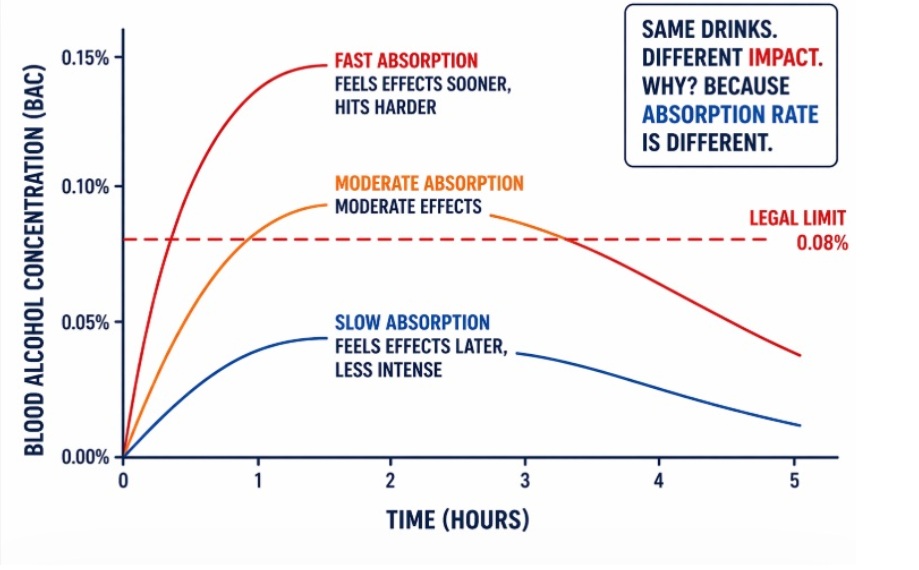
What Actually Changes – Timing
Your body doesn’t absorb alcohol all at once. It moves through stages, and the timing of those stages can shift depending on your environment and bring difference in health effects.
Think of it like a flow rather than a fixed number:
- Sometimes the flow is slow and steady
- Sometimes it speeds up unexpectedly
- Sometimes it surges all at once
That change in timing is what turns a predictable night into an unpredictable one.
The Carbonation Trap
Let’s go back to those two nights. On the first night, your drinks were simple—maybe something mixed with juice or served still.
On the second night, you switched it up:
- A vodka soda
- A gin and tonic
- Maybe even champagne
It didn’t seem like a big deal. But carbonation quietly changed everything.
That fizzy sensation increases pressure in the stomach, which can push alcohol forward more quickly into the small intestine—where absorption happens much faster.
The result? Alcohol enters your bloodstream sooner, your BAC rises more quickly, the effects feel stronger, faster.
So even though the number of drinks didn’t change, the valve opened sooner—and the timing changed the experience.
The “Empty Stomach” Misunderstanding
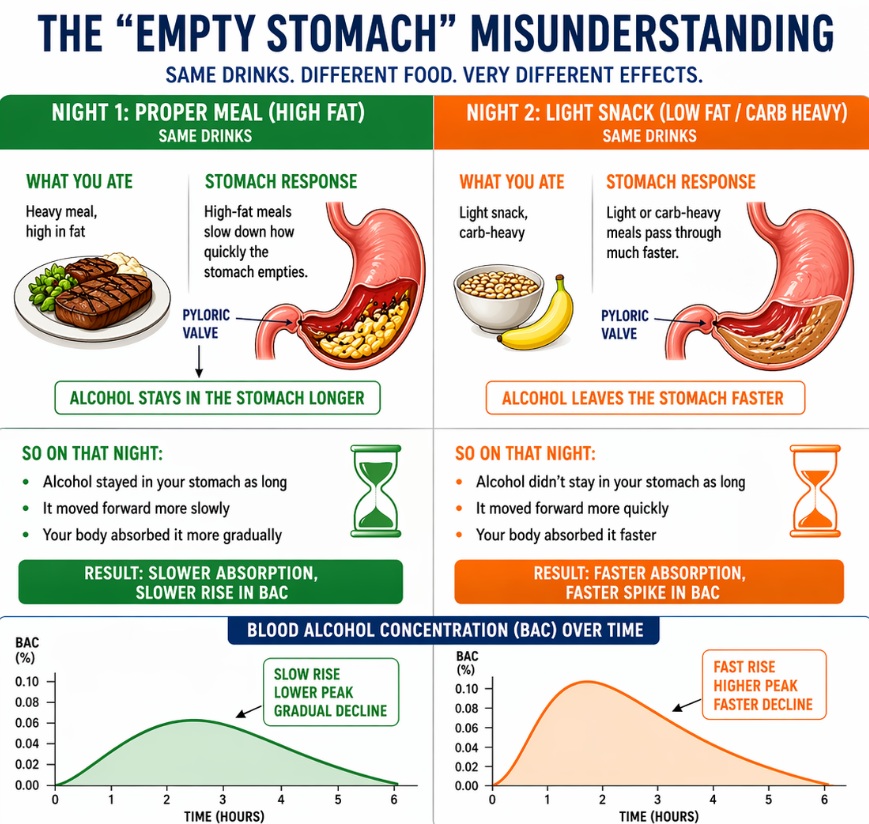
Now check this in another detail of different effects of food with alcohol. On the first night, you had a proper meal—something heavy, maybe even high in fat.
On the second night, you only grabbed a quick snack. You still ate, so it feels like it should balance out.
But it doesn’t. Because not all food behaves the same:
High-fat meals slow down how quickly the stomach empties
Light or carb-heavy meals pass through much faster
So on that second night:
- Alcohol didn’t stay in your stomach as long
- It moved forward more quickly
- Your body absorbed it faster
Again, the number of drinks stayed the same. But the timing—controlled by that valve—changed completely.
This is where people get caught off guard. You feel fine at first. Normal. In control.
Then suddenly—it hits. Not gradually. Not predictably. But all at once. That moment isn’t random.
It’s what happens when alcohol that was moving slowly suddenly starts moving quickly:
- A shift in stomach emptying
- A faster transfer into the small intestine
- A rapid spike in BAC
And here’s the part most people don’t realize – your BAC can still be rising even after you’ve stopped drinking.
So while you’re thinking: “I’m fine—I’ve only had two drinks,” Your body might still be catching up.
Why Charts and Calculators Can’t Tell the Full Story
BAC charts show smooth curves. Calculator tools give you a clean number. But your body doesn’t operate in straight lines. It reacts to:
- What you’ve eaten
- What you’re drinking
- How those elements interact in real time
That means:
- The same number of drinks can produce different BAC patterns
- The peak can arrive earlier—or later—than expected
- The intensity can change without warning
So while charts and calculators are helpful for rough estimates, they can’t fully account for what’s happening inside your body in that moment.
Rethinking Control
Most people think control comes from counting:
- Keeping track of how many drinks
- Comparing against charts
- Staying within perceived legal limits
But real control is more nuanced.
It comes from noticing the conditions:
- Is the drink carbonated?
- Did you eat—and what kind of meal was it?
- Does the alcohol feel like it’s hitting faster than usual?
Because sometimes, small changes create big effects.
Wrapping Up
S, that’s all about the pyloric valve alcohol absorption BAC connection. The next time a night feels different—even when the numbers look the same—remember:
It’s not just about how many drinks you’ve had.
It’s about how your body is processing them in that moment – sometimes slowly – sometimes quickly – sometimes all at once.
And that’s why one night feels easy—while another, with the same intake, feels overwhelming. Not because the alcohol changed. But because the timing—and the Pyloric valve—did.
