
A high blood alcohol concentration (BAC) does more than cause temporary intoxication. When episodes of heavy or binge drinking happen repeatedly over time, they can contribute to long-term changes and health problems affecting the brain, liver, heart, digestive system, and other parts of the body.
The effects are not identical for everyone. Risk depends on factors such as how much alcohol is consumed, how quickly it is consumed, how often these episodes occur, and individual characteristics. However, repeated alcohol misuse is associated with an increased risk of several chronic health conditions.
What Counts as a High BAC Episode?
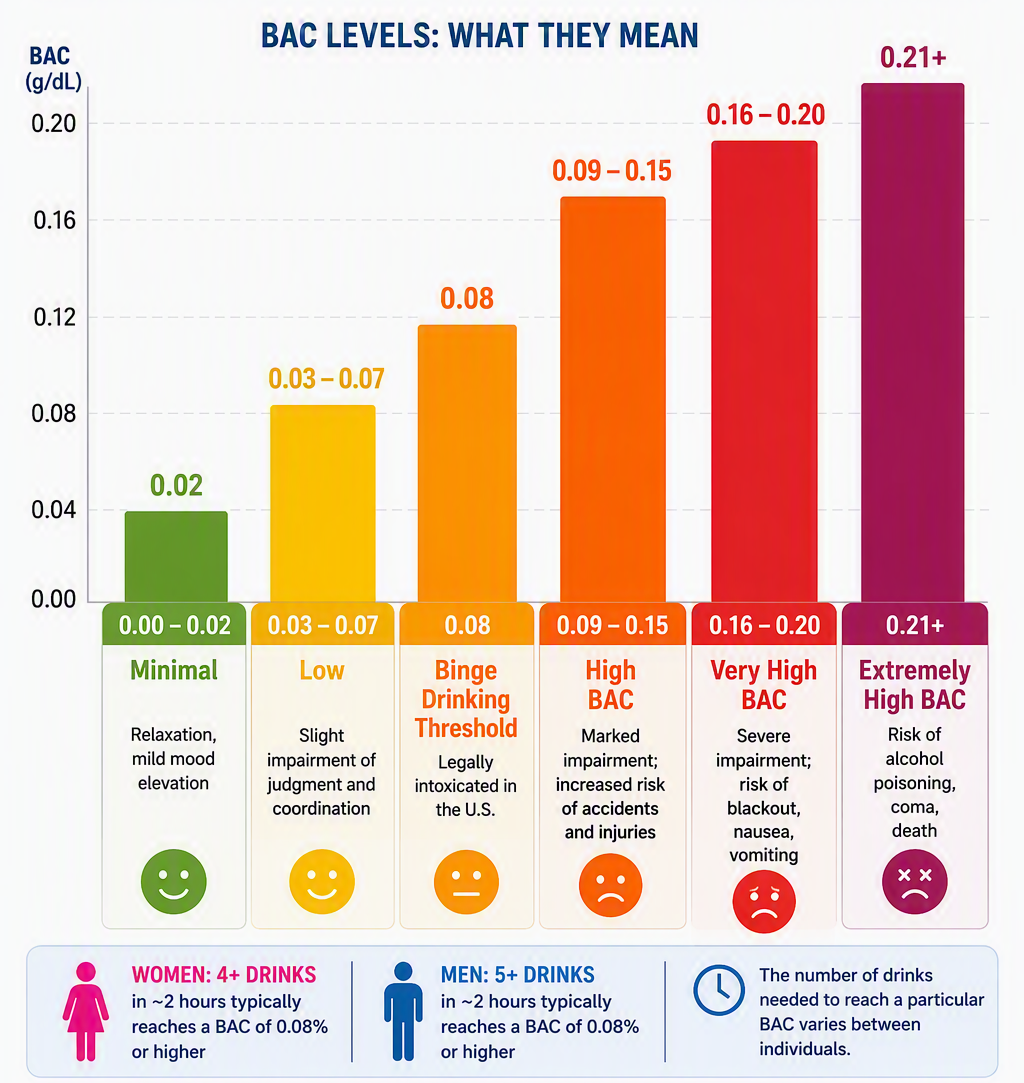
BAC refers to the concentration of alcohol in the bloodstream. One commonly used threshold for binge drinking is a BAC of 0.08% (0.08 g/dL) or higher. According to the NIAAA, this typically corresponds to consuming about four or more drinks for women or five or more drinks for men within approximately two hours, although the number of drinks needed to reach a particular BAC varies between individuals.
Higher levels of drinking can produce substantially greater risks. NIAAA describes high-intensity drinking as consuming at least twice the sex-specific binge-drinking threshold.
Importantly, a BAC number should not be viewed as a point at which long-term damage suddenly begins. Repeated high-BAC episodes are one pattern of excessive alcohol use, and the long-term risks are related to the overall pattern and amount of alcohol consumption.
Effects on the Liver
The liver processes most of the alcohol that enters the body, making it particularly vulnerable to repeated heavy alcohol exposure.
Long-term heavy drinking can contribute to a progression of alcohol-related liver problems. These can include alcohol-associated fatty liver, steatohepatitis, inflammation, fibrosis, and cirrhosis. In some cases, chronic alcohol use can also contribute to liver cancer.
Repeated episodes of binge drinking are also associated with an increased risk of chronic liver disease over time. However, the development and severity of liver damage vary considerably between individuals.
Effects on the Brain and Nervous System
Alcohol affects communication between nerve cells and can interfere with areas of the brain involved in memory, judgment, coordination, and other functions. Repeated heavy drinking over a long period can cause changes to brain structure and function.
NIAAA reports that heavy alcohol use can be associated with damage to both the brain’s white and gray matter and with problems involving cognitive functions. Alcohol-related neurological problems can include difficulties with attention, memory, and reasoning.
Repeated heavy drinking can also increase the risk of developing alcohol use disorder (AUD), NIAAA notes that alcohol misuse, including binge drinking and heavy drinking, increases the risk of AUD over time.
Effects on the Digestive System and Pancreas
Repeated alcohol misuse can affect the gastrointestinal system and pancreas. Alcohol can damage the lining of the gastrointestinal tract, promote inflammation, and contribute to gastrointestinal bleeding. It is also associated with pancreatitis, a potentially serious inflammation of the pancreas.
NIAAA notes that even a single binge-drinking episode may contribute to acute pancreatitis in people who already have underlying pancreatic damage. Repeated excessive drinking can further contribute to chronic health problems.
Increased Cancer Risk
Alcohol is an established carcinogen. The WHO reports that alcohol consumption increases the risk of several cancers, including cancers of the breast, liver, head and neck, esophagus, and colorectum.
NIAAA similarly identifies repeated alcohol misuse, including binge drinking, as contributing to an increased risk of several types of cancer.
Cancer risk is therefore. another important long-term consideration when high levels of alcohol consumption occur repeatedly.
Immune System and Overall Health
Alcohol can also interfere with the immune system. Heavy drinking over time can impair multiple parts of the body’s immune response, while consuming a large amount on a single occasion can temporarily reduce the body’s ability to fight infections.
Alcohol affects many systems throughout the body, rather than affecting only the liver. NIAAA lists associations between alcohol use and conditions involving the liver, pancreas, cardiovascular system, nervous system, gastrointestinal tract, immune system, and other organs.
Effects on the Heart and Circulatory System
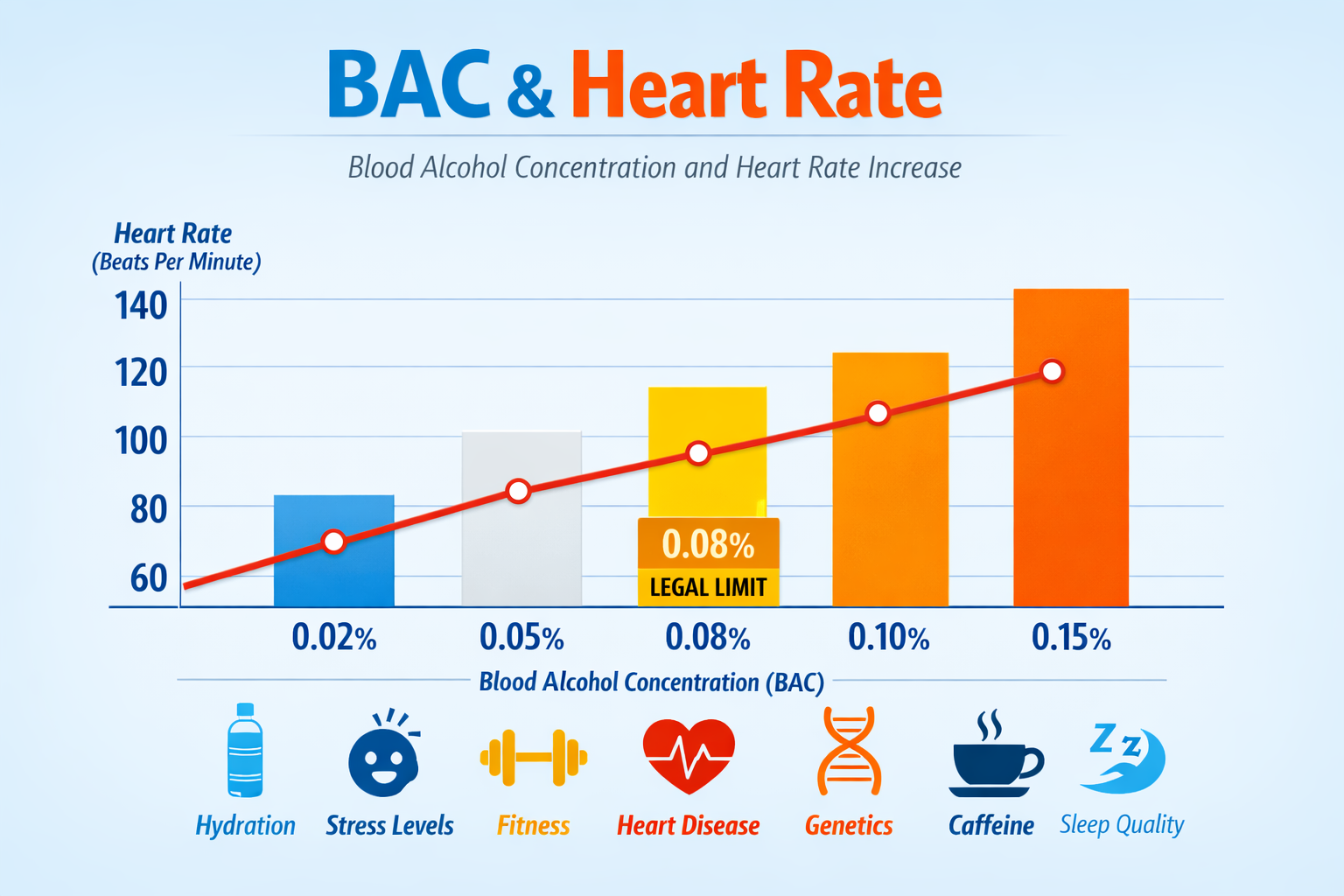
Repeated heavy alcohol use can also affect the cardiovascular system. Long-term heavy drinking can contribute to high blood pressure, irregular heart rhythms, weakened heart muscle, and other cardiovascular problems. NIAAA identifies cardiomyopathy, arrhythmias, high blood pressure, and increased risk of heart attack among conditions associated with alcohol misuse. Here is a full guide explaining how alcohol can affect heart rate.
This does not mean that every person who experiences a high BAC episode will develop heart disease. Rather, repeated excessive alcohol exposure increases health risks over time.
The Risk Can Build Over Time
Repeated high-BAC episodes should not be considered harmless simply because a person feels normal between episodes. The absence of noticeable symptoms does not necessarily mean that alcohol is having no long-term effects.
At the same time, it is not possible to predict an individual’s future health from BAC episodes alone. The amount consumed, frequency of drinking, duration of the pattern, genetics, existing health conditions, medications, and other factors can all influence risk.
The overall evidence is clear that the more alcohol consumed and the more frequently alcohol misuse occurs, the greater the risk of alcohol-related harm.
When to Seek Help
If high-BAC or binge-drinking episodes are happening repeatedly, discussing alcohol use with a healthcare professional can be worthwhile. This is especially important if drinking is becoming difficult to control, if there are blackouts or injuries, or if alcohol is causing problems at work, school, home, or in relationships.
People who have been drinking heavily for a prolonged period should also avoid abruptly stopping without medical guidance in situations where withdrawal may be a concern, because severe alcohol withdrawal can require medical treatment.
Wrapping Up
Repeated high-BAC episodes can have consequences that extend well beyond the period of intoxication. Over time, repeated binge or heavy drinking is associated with increased risks to the liver, brain, heart, digestive system, immune system, and other parts of the body, as well as an increased risk of several cancers and alcohol use disorder.
The important point is that long-term risk is influenced by the overall pattern of alcohol consumption, not by a single BAC number alone. Reducing excessive alcohol consumption can reduce exposure to these risks, while people concerned about their drinking can seek advice from a healthcare professional.
