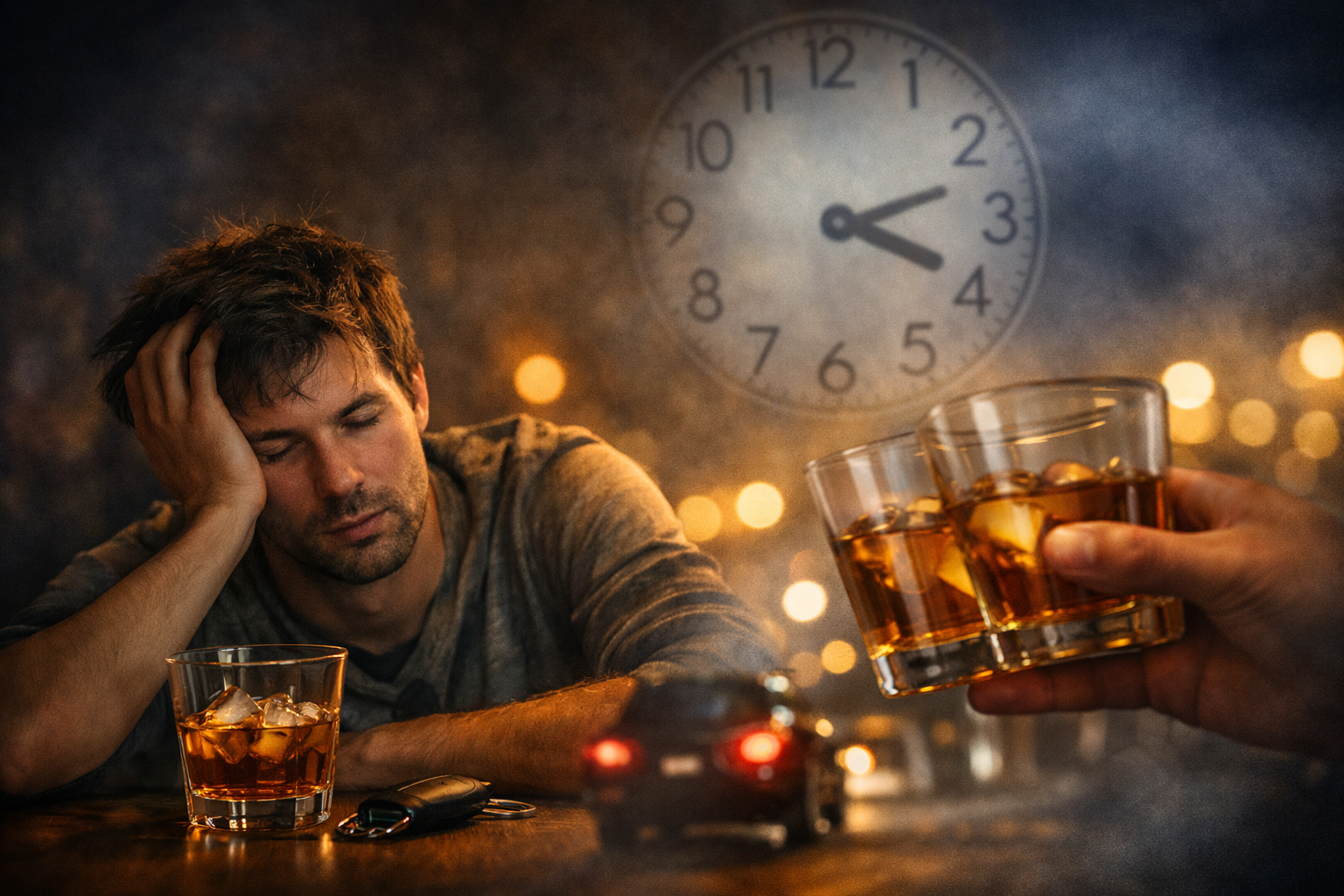
It is surprisingly easy to lose track of how much alcohol you have actually consumed. A large glass of wine may be counted as one drink even when it contains considerably more alcohol than a standard serving. A cocktail may look like a single drink but contain more than one standard drink.
This matters because the amount of alcohol consumed is one of the major factors influencing blood alcohol concentration (BAC). Understanding why people underestimate their alcohol intake can make BAC charts, BAC calculators, standard-drink information, and legal limits easier to understand—and, more importantly, can help people make safer decisions.
What Does It Mean to Underestimate Your Alcohol Intake?
Underestimating alcohol consumption does not necessarily mean someone is deliberately ignoring how much they drank.
Often, the problem is that people count containers or glasses rather than the actual amount of alcohol in them.
For example:
- One bottle of beer may be treated as one drink.
- One glass of wine may be treated as one drink.
- One cocktail may be treated as one drink.
- One refill may be forgotten.
- A large pour at home may be assumed to equal a standard serving.
But the amount of alcohol in each serving can vary substantially.
In the United States, one standard drink contains approximately 14 grams of pure alcohol. That’s roughly equivalent to 12 ounces of regular beer at 5% ABV, 5 ounces of wine at 12% ABV, or 1.5 ounces of distilled spirits at 40% ABV. Actual beverages and serving sizes vary, however.
That difference between a “drink” and a standard drink is one of the biggest reasons people misjudge their alcohol consumption.
The Difference Between a Drink and a Standard Drink
Imagine someone says “I had three drinks tonight.” That statement doesn’t tell us exactly how much alcohol they consumed.
Consider a person drinks three 12-ounce beers containing about 5% alcohol by volume. Depending on the specific product, this may be around three standard drinks.
Someone else drinks three 20-ounce beers with the same alcohol percentage. Although both people say they had “three beers,” the second person consumed substantially more alcohol.
Now imagine three beers with a higher ABV. The person may still describe the evening as “three beers,” even though those beers contain considerably more alcohol than three standard-strength beers.
This is why simply counting beverages can be misleading. Beverage size and alcohol concentration can vary significantly, and drinks often contain more alcohol than people realize.
Why Glass Size Can Be Deceptive
Wine is a particularly good example. A person may pour wine into a large glass and think: “That’s one glass.” But a glass is a container, not a standardized measurement.
A large wine glass can hold considerably more than a standard 5-ounce serving. Consider a dinner scenario. A girl pours herself what she considers one glass of wine while preparing dinner. Later, she pours another glass while eating. After dinner, she has a third glass while watching television. She remembers having “three glasses of wine.”
However, if each pour was larger than a standard serving, the actual amount of alcohol could be considerably higher than she assumes. The issue isn’t that Sarah is intentionally miscounting. Her mental definition of “one drink” is different from the standardized definition.
Cocktails Can Make Counting Even Harder
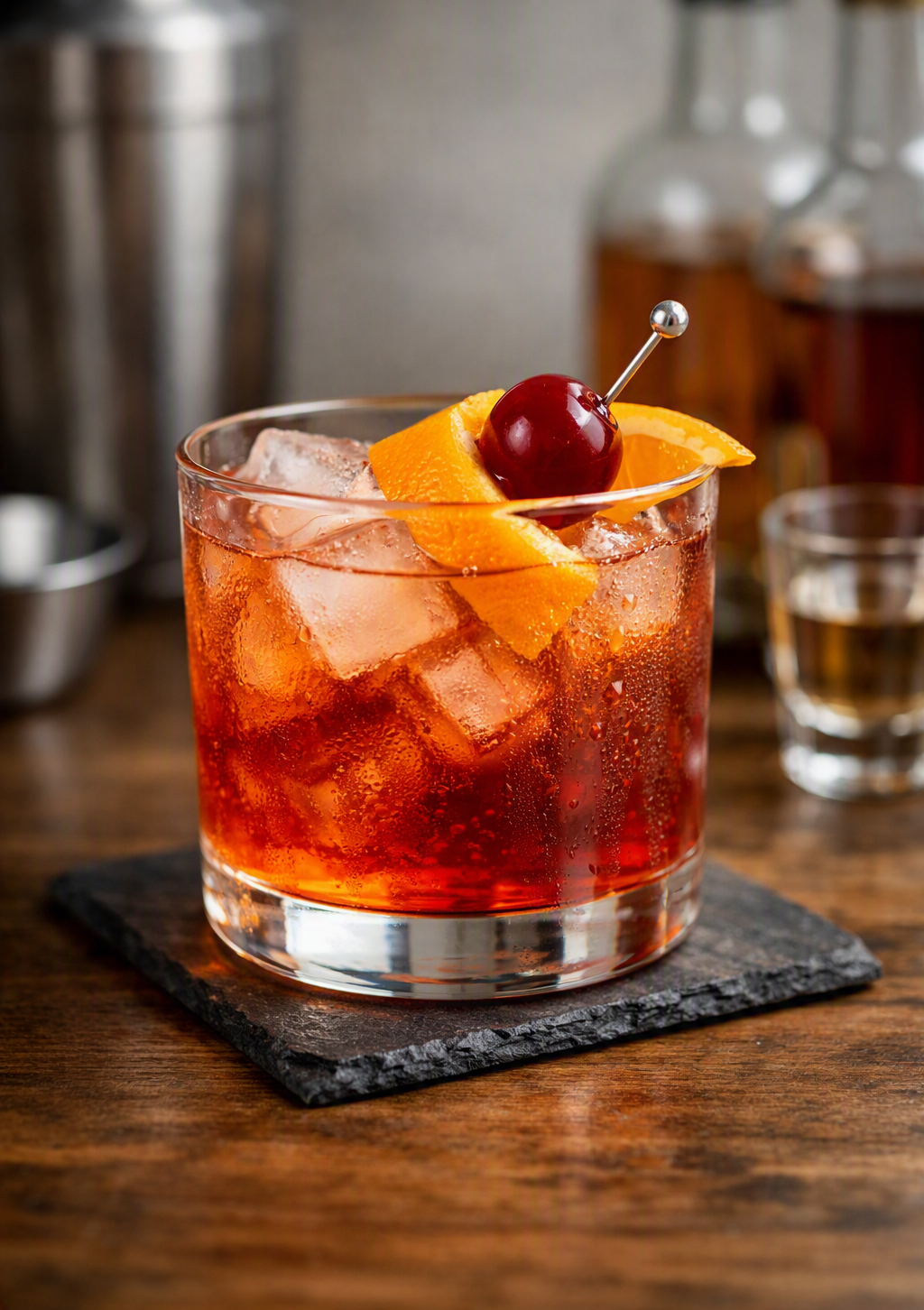
Mixed drinks create another problem. A cocktail may contain multiple alcoholic ingredients. For example, a cocktail could contain:
Vodka
Liqueur
Wine or fortified wine
Another spirit
A high-ABV mixer
Yet it arrives at the table as a single glass. Someone may therefore think: “I only had one drink.” But one cocktail can contain more than one standard drink depending on its recipe and pour sizes.
Why Your BAC May Be Higher Than You Expect
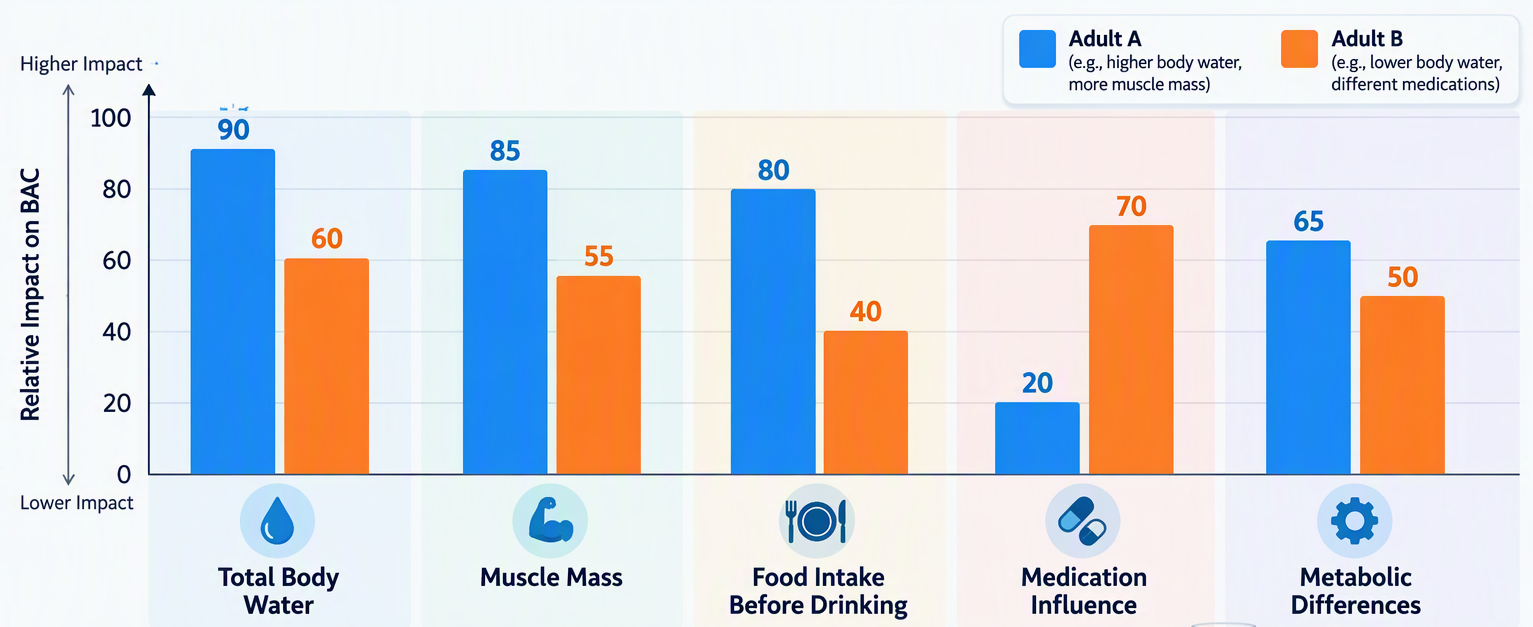
BAC, or blood alcohol concentration, represents the concentration of alcohol in the bloodstream. Several factors influence BAC, including:
- How much alcohol was consumed
- How quickly it was consumed
- Body size
- Body composition
- Biological Variability
- Food intake
- Individual differences in alcohol metabolism
- Time since drinking began
The more alcohol consumed, particularly over a shorter period, the greater the potential increase in BAC. This creates an important connection: Underestimating drinks can lead to underestimating BAC. If someone thinks they consumed two standard drinks when they actually consumed four, any BAC estimate based on those two drinks may be substantially misleading.
Social Situations Make Counting Drinks Difficult
Alcohol is rarely consumed in a laboratory environment. Real-life drinking often involves conversations, meals, parties, sporting events, celebrations, and refills. That creates several opportunities for accidental undercounting.
A glass gets topped up before it is completely empty. The person may think:”I’m still drinking the same glass.” But they have actually consumed another serving.
A bottle of wine is placed on the table, and several people pour their own glasses. Nobody is measuring the exact amount. Two cocktails with the same name can contain different amounts of alcohol depending on the recipe and pour.
Someone has a drink in one room, leaves it somewhere, forgets about it, and later accepts another drink. At the end of the night, remembering the exact number becomes difficult. These aren’t unusual situations. They’re examples of why drink counting is not always as straightforward as it sounds.
Why People Remember “Glasses” Instead of Alcohol Amount
Human memory tends to organize experiences into simple categories.
“I had two beers.”
“I had three glasses of wine.”
“I had a couple of cocktails.”
Those statements are convenient, but they don’t necessarily describe the amount of pure alcohol consumed. The problem becomes more obvious when beverage sizes vary. ABV, or alcohol by volume, tells you the concentration of alcohol in a beverage.
A beverage with a higher ABV contains more alcohol in the same volume. For example, a 12-ounce beverage at 10% ABV contains substantially more alcohol than a 12-ounce beverage at 5% ABV.
This is why checking the label can be more informative than simply counting containers. NIAAA points out that beer, wine, and other alcoholic beverages can vary substantially in alcohol concentration, and that some craft beers and flavored alcoholic beverages have considerably higher ABV than typical examples.
Food Can Also Change the Experience
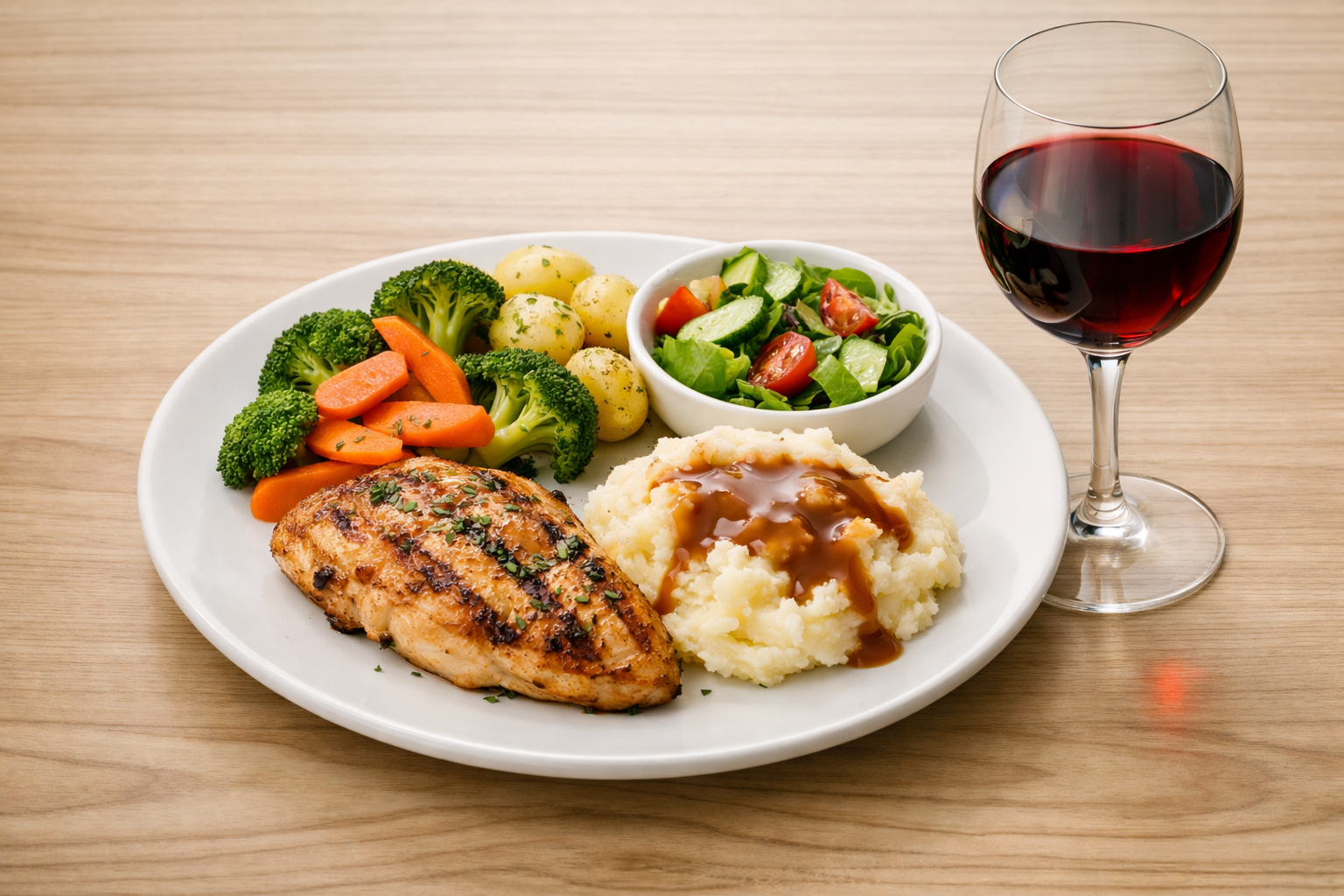
Another reason people may misjudge how much they have consumed is that alcohol doesn’t always feel the same. Someone who drinks with a substantial meal may experience alcohol differently from someone drinking on an empty stomach.
People sometimes use how they feel as an informal BAC test. Alcohol can affect judgment, coordination, attention, and reaction time without producing an obvious feeling of severe intoxication. A person may also become accustomed to the subjective effects of alcohol. Therefore, feeling normal is not the same as having a low BAC.
Common Reasons People Underestimate Their Drinking
Here are some of the most common reasons:
- They count glasses instead of standard drinks
- They don’t check ABV
- Cocktails hide the amount of alcohol
- They forget refills
- They drink over a long period
- They focus on how they feel
- They underestimate portion sizes
- They use “one drink” as a visual measurement
Why Underestimating Alcohol Matters Beyond BAC
The problem isn’t limited to driving. Underestimating alcohol consumption can also increase the likelihood of:
- Poor decision-making
- Falls and injuries
- Accidents
- Memory blackouts
- Medication interactions
- Excessive drinking
- Alcohol poisoning
- Other alcohol-related harms
Drinking too much, too quickly increases the risk of numerous acute harms, including injuries, crashes, blackouts, and other dangerous consequences. The more accurately someone understands what they are drinking, the easier it is to recognize when consumption is increasing.
Wrapping Up
People don’t always underestimate their drinking because they are careless. Often, the problem is that “one drink” is not a precise measurement.
A large beer, generous wine pour, strong craft beverage, or cocktail can contain considerably more alcohol than someone expects. Over the course of an evening, those differences can add up.
The best way to understand alcohol consumption is to look beyond the number of glasses and consider the actual amount of alcohol in each serving. When in doubt, don’t rely on how you feel, a drink count, or an estimated BAC to make a driving decision. If you’ve been drinking, don’t drive.
