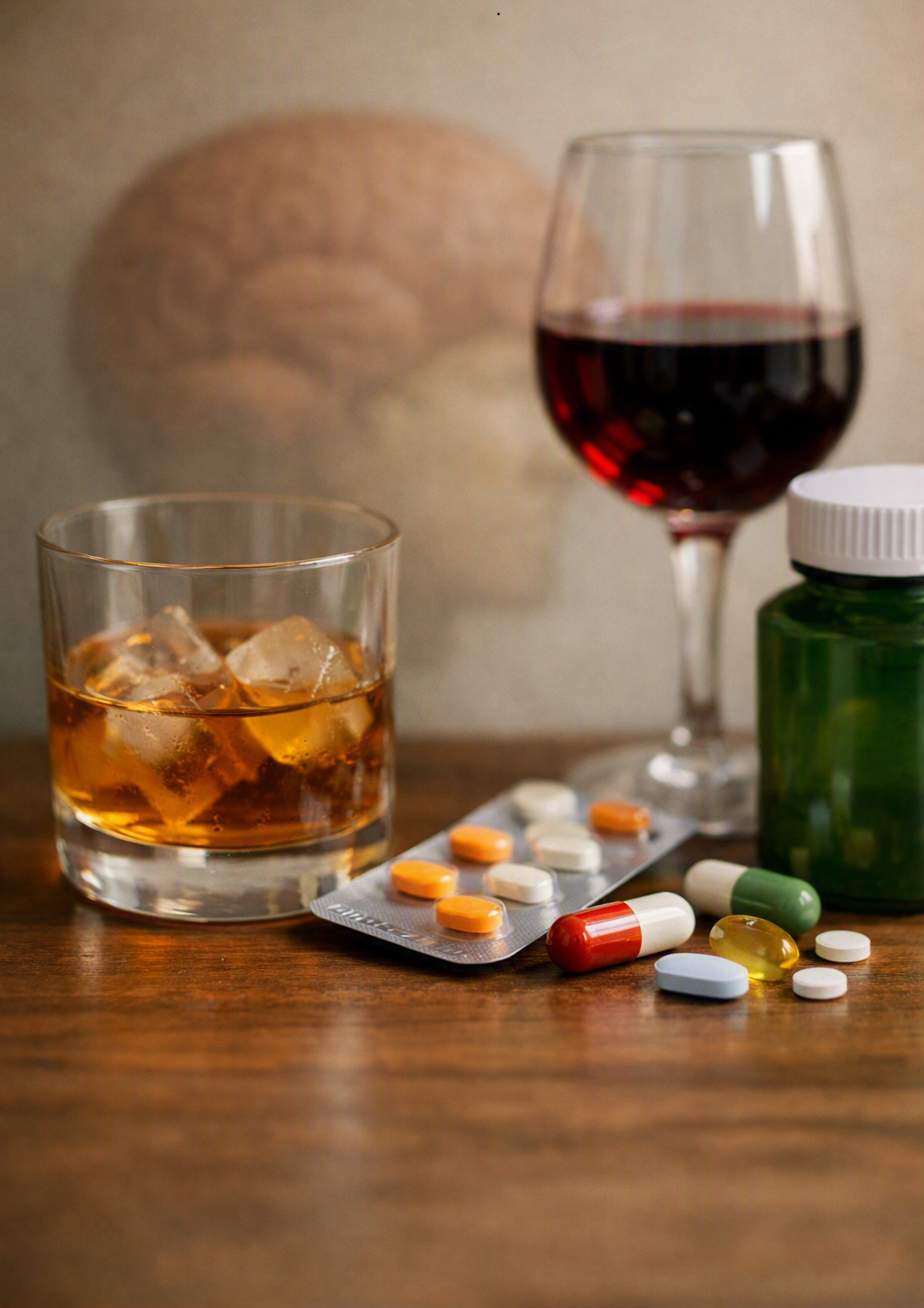
When people think about Blood Alcohol Concentration (BAC), they usually focus on obvious factors like how much they drank, their body weight, or whether they ate before drinking.
Many also rely on a BAC calculator or BAC chart to estimate their alcohol level before deciding whether they’re below the legal limit to drive.
However, there’s another factor that is often overlooked: medications.
While most medications do not directly increase the amount of alcohol in your bloodstream, many can dramatically change how alcohol affects your brain and body.
Understanding how medications interact with alcohol is essential—not only for your safety but also for avoiding dangerous mistakes based on a BAC calculator or estimated Blood Alcohol Concentration.
Do Medications Increase Your BAC?
The answer is usually no—but sometimes indirectly. Your Blood Alcohol Concentration (BAC) represents the amount of alcohol circulating in your bloodstream. It mainly depends on:
- The amount of alcohol consumed
- Time spent drinking
- Body weight
- Biological variability
- Food consumed before or during drinking
- Liver metabolism
A standard BAC calculator uses these variables because they have the greatest impact on alcohol concentration.

Most medications do not add alcohol to your bloodstream or instantly increase your BAC.
However, medications can influence:
- How fast alcohol is absorbed
- How quickly your liver breaks it down
- How intoxicated you feel at a given BAC
- How long alcohol remains active in your body
This means your Blood Alcohol Concentration may remain similar while your level of impairment becomes much greater.
Medications That Slow Alcohol Metabolism
Your liver normally processes about one standard drink per hour on average, although this varies from person to person.
Some medications interfere with liver enzymes responsible for metabolizing alcohol.
Examples include:
- Certain antibiotics
- Antifungal medications
- Some antidepressants
- Medications used to treat heart rhythm disorders
- Drugs prescribed for liver disease
When these medications slow alcohol metabolism, your BAC may remain elevated for a longer period than expected.
This means someone checking a BAC calculator based on normal alcohol elimination rates could underestimate how much alcohol is still present in their bloodstream.
Medications That Increase Alcohol’s Effects Without Raising BAC
Many medications don’t change your Blood Alcohol Concentration, but they significantly increase alcohol’s effects on the central nervous system.
Like:
- Sleeping pills
- Anti-anxiety medications
- Benzodiazepines
- Opioid pain medications
- Muscle relaxants
- Some allergy medications (antihistamines)
These drugs and alcohol both slow brain activity.
Together they can cause:
- Severe drowsiness
- Poor coordination
- Slower reaction times
- Blurred vision
- Difficulty concentrating
- Increased risk of falls and accidents
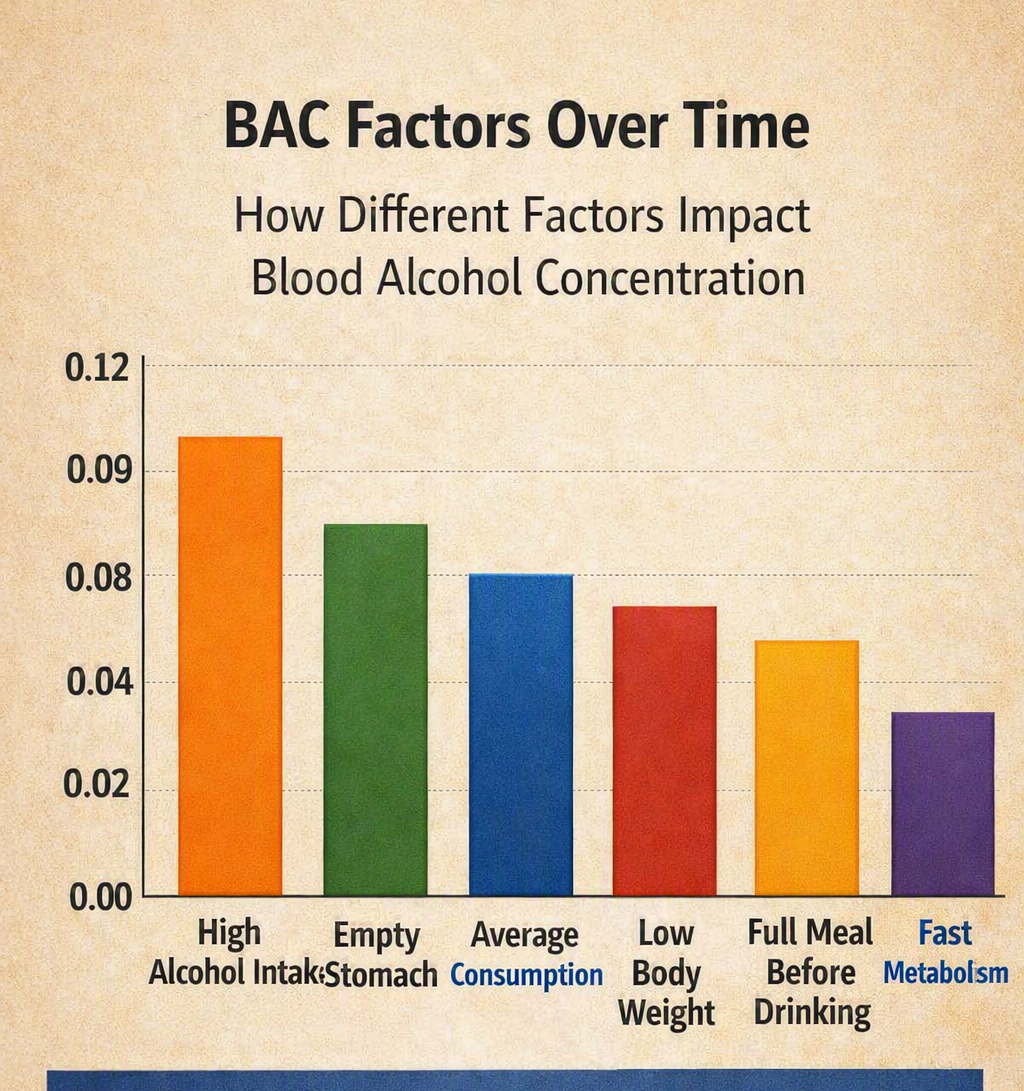
In these situations, your BAC chart or BAC calculator may show a value below the legal limit, yet your ability to drive safely may still be seriously impaired.
Why BAC Doesn’t Always Reflect Impairment
Many people assume that if their Blood Alcohol Concentration is below the legal limit, they’re safe to drive.
Unfortunately, that’s not always true.
The legal limit only measures alcohol concentration—not the combined effects of alcohol and medications.
For example one driver has a BAC of 0.04% and isn’t taking medication another driver B has the same BAC but also takes prescription sleeping medication.
Although both drivers have identical Blood Alcohol Concentration, the second driver may experience significantly slower reflexes, poorer judgment, and greater drowsiness.
A BAC calculator cannot account for these medication effects because it only estimates alcohol concentration—not overall impairment.
Imagine someone takes their prescribed anti-anxiety medication before attending a dinner party. They drink two glasses of wine over two hours.
A BAC calculator estimates their Blood Alcohol Concentration at approximately 0.04%, comfortably below the legal limit in many regions.
However, shortly after leaving, they notice:
- Difficulty focusing
- Heavy eyelids
- Slower reactions
- Poor balance
The medication has amplified alcohol’s effects, making them much more impaired than their BAC alone would suggest.
Although the Blood Alcohol Concentration hasn’t dramatically increased, driving could still be dangerous. Another common situation involves over-the-counter cold medications. Someone recovering from the flu takes a nighttime cold medicine containing sedating antihistamines.
Later that evening, they have two beers while watching a game. Their BAC calculator suggests they’re below the legal driving limit.
However, the combination of alcohol and the medication causes:
- Extreme drowsiness
- Delayed reaction time
- Reduced alertness
Again, the BAC estimate doesn’t fully represent how impaired they actually are.
Medications That Contain Alcohol
Some medications contain small amounts of alcohol themselves, including:
- Certain cough syrups
- Liquid cold medicines
- Some herbal tinctures
- Certain mouth rinses (if swallowed)
For most adults using these products as directed, the alcohol content is too small to meaningfully affect Blood Alcohol Concentration.
However, combining multiple alcohol-containing medications with alcoholic drinks may contribute to overall alcohol intake, especially in children or individuals with liver disease.
Can a BAC Calculator Account for Medications?
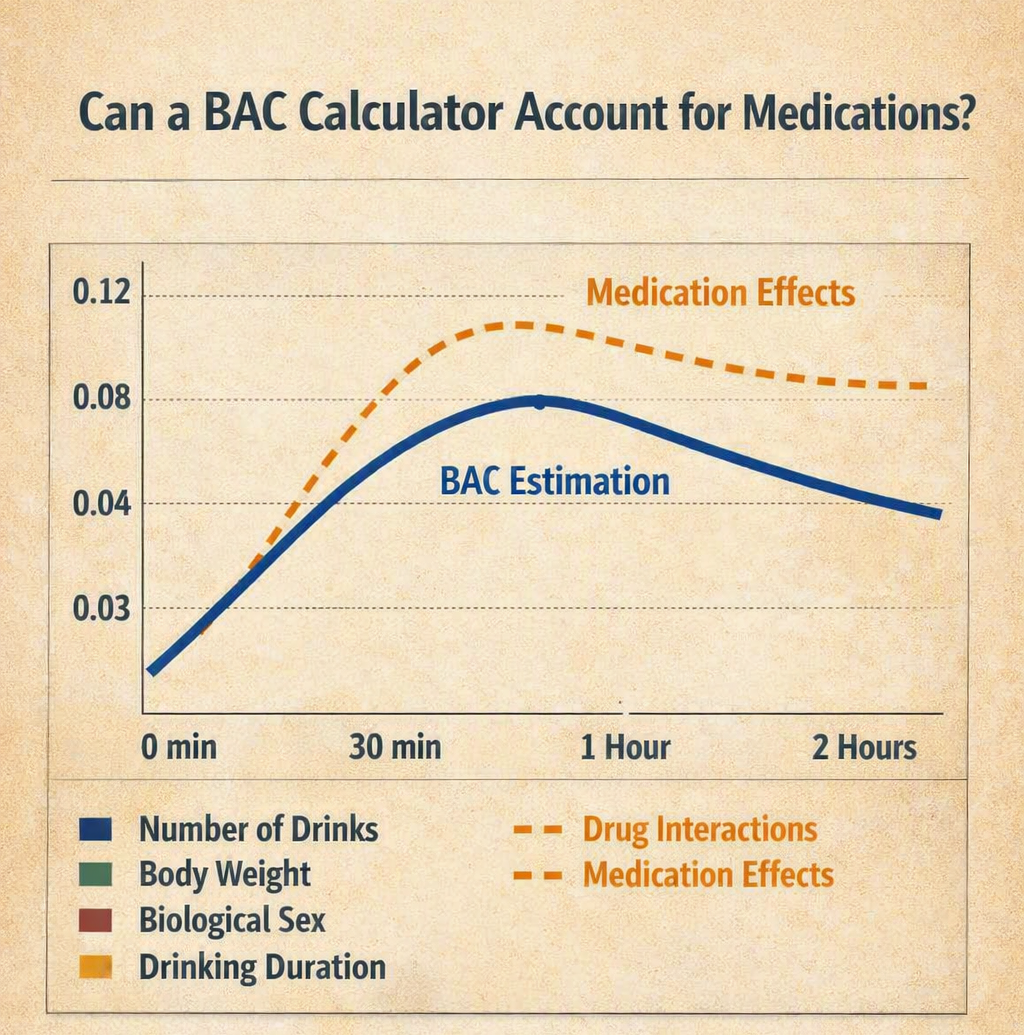
A BAC calculator estimates Blood Alcohol Concentration using factors such as:
- Number of drinks
- Body weight
- Biological sex
- Drinking duration
It cannot calculate:
- Prescription drug interactions
- Sedation caused by medications
- Slower alcohol metabolism
- Increased impairment from drug combinations
That’s why BAC calculators should always be viewed as rough estimates rather than guarantees of safety.
Why the Legal Limit Isn’t Always a Safe Limit
Many countries set a legal limit for Blood Alcohol Concentration to determine when driving becomes illegal.
However, being below the legal limit doesn’t necessarily mean you’re fit to drive. Alcohol combined with medications can produce dangerous impairment even when your BAC appears relatively low.
Healthcare professionals generally advise avoiding alcohol altogether while taking medications that warn against drinking.
Following those warnings is often safer than relying solely on a BAC chart or BAC calculator.
Tips for Staying Safe
If you’re taking prescription or over-the-counter medication:
- Read medication labels carefully for alcohol warnings.
- Ask your doctor or pharmacist whether drinking is safe.
- Never assume a low Blood Alcohol Concentration means you’re safe to drive.
- Remember that BAC calculators estimate alcohol concentration—not medication interactions.
- If you’re unsure, arrange alternative transportation instead of driving.
Wrapping Up
Understanding Blood Alcohol Concentration (BAC) is an important step toward responsible drinking, but it tells only part of the story.
Medications can change how your body responds to alcohol by slowing its metabolism or greatly increasing its effects on the brain—even when your BAC remains below the legal limit. As a result, a BAC calculator or BAC chart may underestimate your actual level of impairment.
Whether you’re taking prescription medicines, over-the-counter cold remedies, or sleep aids, it’s always wise to consider how they interact with alcohol. The safest approach is to avoid mixing alcohol with medications unless a healthcare professional has confirmed it’s safe to do so.
When in doubt, prioritize your health and choose not to drive or operate machinery, regardless of what your estimated Blood Alcohol Concentration may be.
