
Many people notice that alcohol does not affect them the same way it did when they were younger. A drink that once seemed manageable may now produce noticeable effects much sooner. Others may find that the effects last longer or that they feel worse the following day.
This change is not necessarily a sign that someone has suddenly become more sensitive to alcohol. Aging can affect body composition, water distribution, liver function, medications, sleep, and other factors that influence how alcohol is absorbed and processed.
Understanding these changes can also help explain why blood alcohol concentration (BAC) may not correspond perfectly with how intoxicated someone feels.
Why Does Alcohol Feel Different as You Age?
Aging can change several physiological factors that influence alcohol’s effects.
Body Water Usually Decreases With Age
One of the most important changes is a gradual reduction in total body water. Alcohol is water-soluble, meaning it distributes primarily through the body’s water-containing tissues. When there is less body water available, the same amount of alcohol can result in a higher concentration in the bloodstream.
This means two people who consume the same number of drinks can potentially have different BAC levels, even if they weigh the same. It also means that an older adult may experience a stronger effect from an amount of alcohol that previously produced a milder effect.
Body Composition Changes
Aging is often associated with changes in the proportion of muscle and fat in the body.Muscle contains more water than fat. As muscle mass decreases and body composition changes, the distribution of alcohol can change as well.
This is one reason that body weight alone isn’t enough to determine BAC. A BAC calculator may ask for weight, sex, number of drinks, and drinking duration, but these inputs cannot capture every physiological difference between individuals.
Alcohol Metabolism May Change
The liver is responsible for metabolizing most of the alcohol that enters the bloodstream.
Alcohol metabolism involves several enzymes, particularly alcohol dehydrogenase and aldehyde dehydrogenase. Although the basic metabolic process remains the same throughout adulthood, aging and changes in overall health can influence how the body handles alcohol.
Importantly, drinking more frequently does not necessarily mean that the body eliminates alcohol faster. A person may develop a greater subjective tolerance to alcohol while their BAC still rises and falls according to physiological processes. In other words, feeling less impaired does not necessarily mean having a lower BAC.
Does Aging Automatically Mean a Higher BAC?
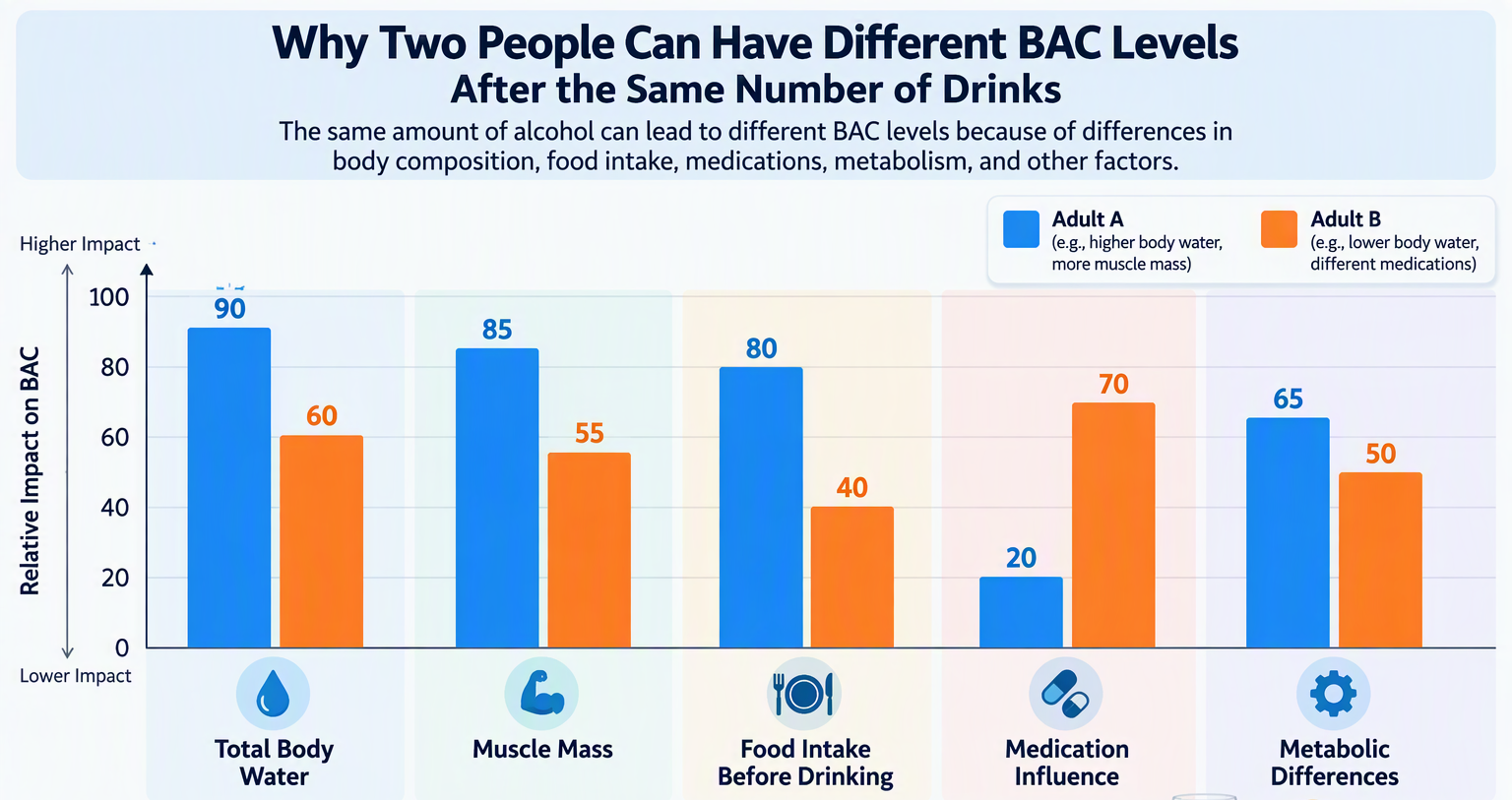
Not necessarily. Age by itself does not determine someone’s BAC. Instead, aging can change the physical factors that influence BAC.
For example, consider two hypothetical adults who consume the same amount of alcohol over the same period.
One may have:
- Higher total body water
- Greater muscle mass
- Different food intake
- Different medications
- Different metabolic characteristics
- Biological Variability
The other may have a different combination of these factors. Their BAC levels may therefore differ even though their alcohol consumption is identical. This is why a BAC calculator should be treated as an educational estimation tool rather than a way to determine someone’s exact BAC.
Why You May Feel More Intoxicated With the Same Amount of Alcohol
Changes in alcohol distribution aren’t the only reason alcohol can feel different later in life. Other age-related changes can influence the experience.
Sleep Changes
Sleep patterns commonly change with age. Alcohol can interfere with sleep quality even when it initially makes someone feel drowsy.
Poor sleep combined with alcohol may contribute to greater fatigue, slower reactions, and difficulty concentrating the following day.
Medications
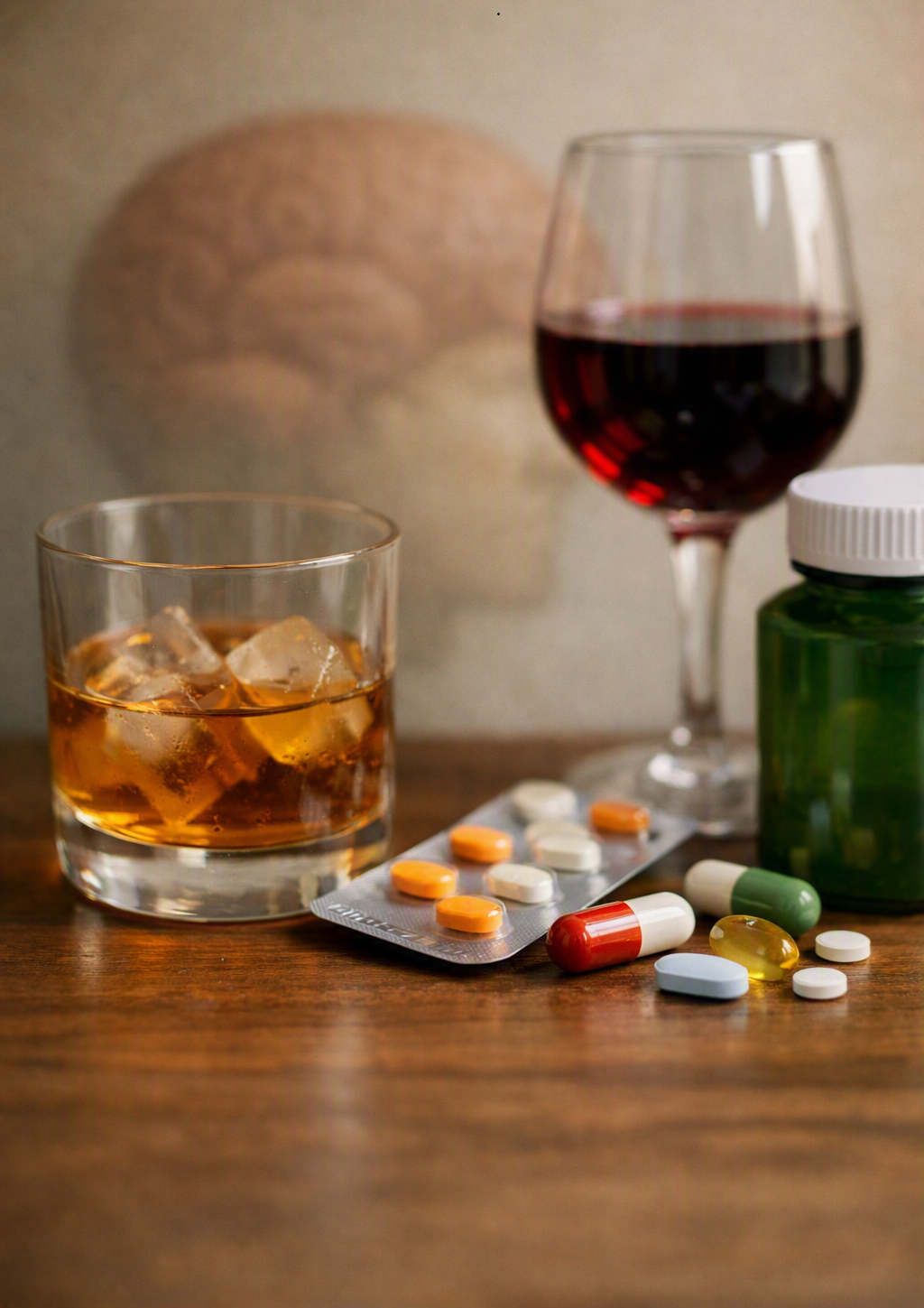
Older adults are more likely to take prescription and over-the-counter medications. Some medications can interact with alcohol and increase effects such as:
- Drowsiness
- Dizziness
- Poor coordination
- Confusion
- Low blood pressure
The interaction can occur even when the person’s BAC is not particularly high. For this reason, BAC alone does not provide a complete picture of alcohol-related risk.
Health Conditions
Changes in liver, kidney, cardiovascular, neurological, or metabolic health can also affect how alcohol is tolerated. Someone with an underlying health condition may experience stronger or less predictable effects from alcohol than they did previously.
One of the most important concepts to understand is that subjective intoxication and BAC are different measurements. A person may feel relatively normal while still having alcohol in their bloodstream at a level that affects reaction time, attention, coordination, or judgment.
Conversely, someone may feel tired, dizzy, or unwell for reasons that aren’t directly proportional to their BAC. This is particularly important when considering driving. A person shouldn’t use how “sober” they feel as a method for deciding whether they are safe or legally permitted to drive.
What About the Legal Limit?
The legal limit for driving varies by jurisdiction. For example, many jurisdictions use a BAC threshold around 0.08% for certain adult drivers, while other jurisdictions have different limits. Some drivers, including younger or commercial drivers, may be subject to different rules.
Legal limits also don’t represent a universal point at which alcohol suddenly becomes safe or unsafe. Alcohol can affect driving-related abilities before a person reaches a particular legal threshold.
Therefore, knowing your estimated BAC—or checking a BAC calculator—is not a substitute for making a safe transportation decision. If you have been drinking, the safest approach is to avoid driving and use an alternative form of transportation.
Why the Same Drink Can Feel Different From One Day to Another
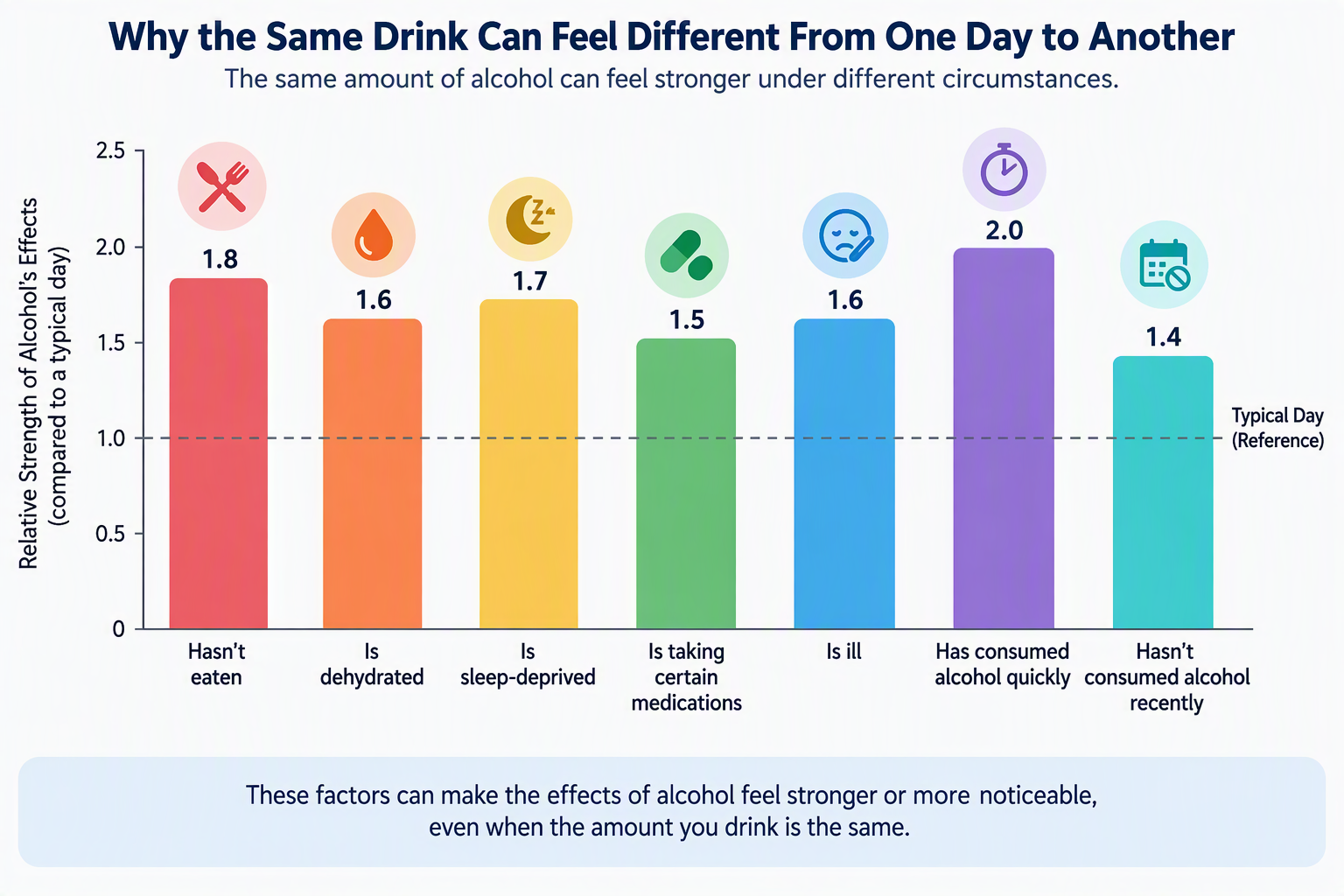
Age isn’t the only variable. Even the same person can experience alcohol differently on different occasions. For example, alcohol may feel stronger when someone:
- Hasn’t eaten
- Is dehydrated
- Is sleep-deprived
- Is taking certain medications
- Is ill
- Has consumed alcohol quickly
- Hasn’t consumed alcohol recently
This explains why personal experience isn’t always a reliable way to estimate BAC. Someone might say, “I can normally handle two drinks,” but the physiological response to those two drinks can vary depending on the circumstances.
Does Alcohol Stay in the Body Longer as You Age?
It’s tempting to assume that aging automatically causes alcohol to remain in the bloodstream for a longer period.The reality is more complicated.
Alcohol elimination is governed primarily by metabolic processes, and individual rates vary. Aging can be associated with physiological changes that influence alcohol handling, but it doesn’t mean that every older adult eliminates alcohol dramatically more slowly.
More importantly, there is no reliable trick for rapidly lowering BAC. Coffee, cold showers, exercise, fresh air, or drinking water may change how someone feels, but they do not instantly remove alcohol from the bloodstream. Time is the primary factor in alcohol elimination.
People can develop behavioral or subjective tolerance to alcohol. Someone who drinks regularly may feel less noticeably impaired than another person after consuming a similar amount of alcohol. That doesn’t necessarily mean their BAC is lower. This distinction becomes especially important when someone uses past drinking experience as a reference point:
“I used to be able to drink this much without feeling anything.” That statement doesn’t establish what the person’s BAC is today—or whether they are safe to drive.
As people age, several factors can overlap: Less body water + changes in body composition + medications + sleep changes + health conditions Together, these can make alcohol’s effects more noticeable or less predictable.
Wrapping Up
Older adults may therefore need to pay particular attention to how alcohol interacts with their medications and existing health conditions.
Anyone taking prescription medication should check with a healthcare professional or pharmacist about potential alcohol interactions rather than assuming that a familiar medication is compatible with drinking.
